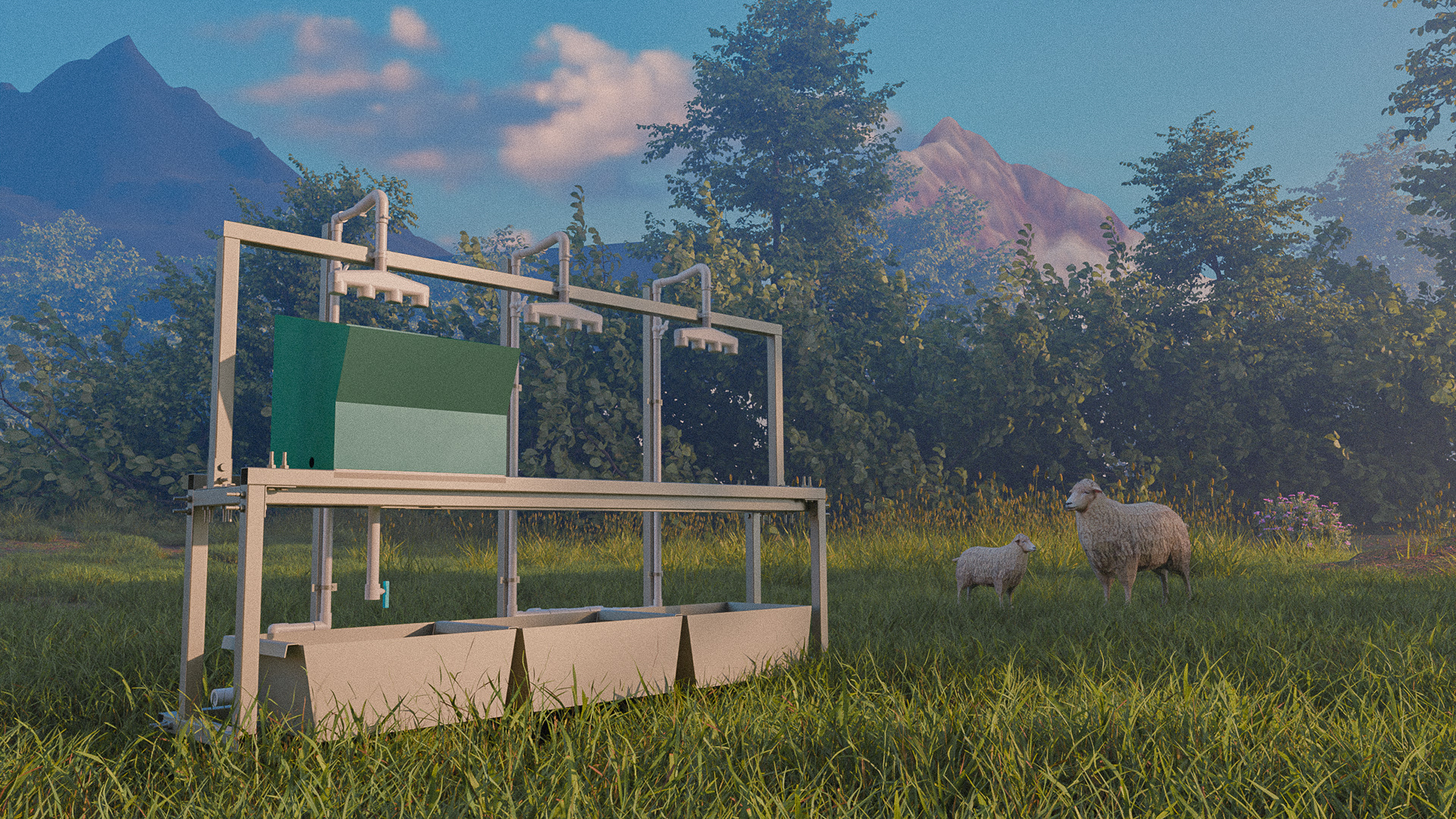
LANASOFT
(2025)
Co- Designer: Aditya Dave
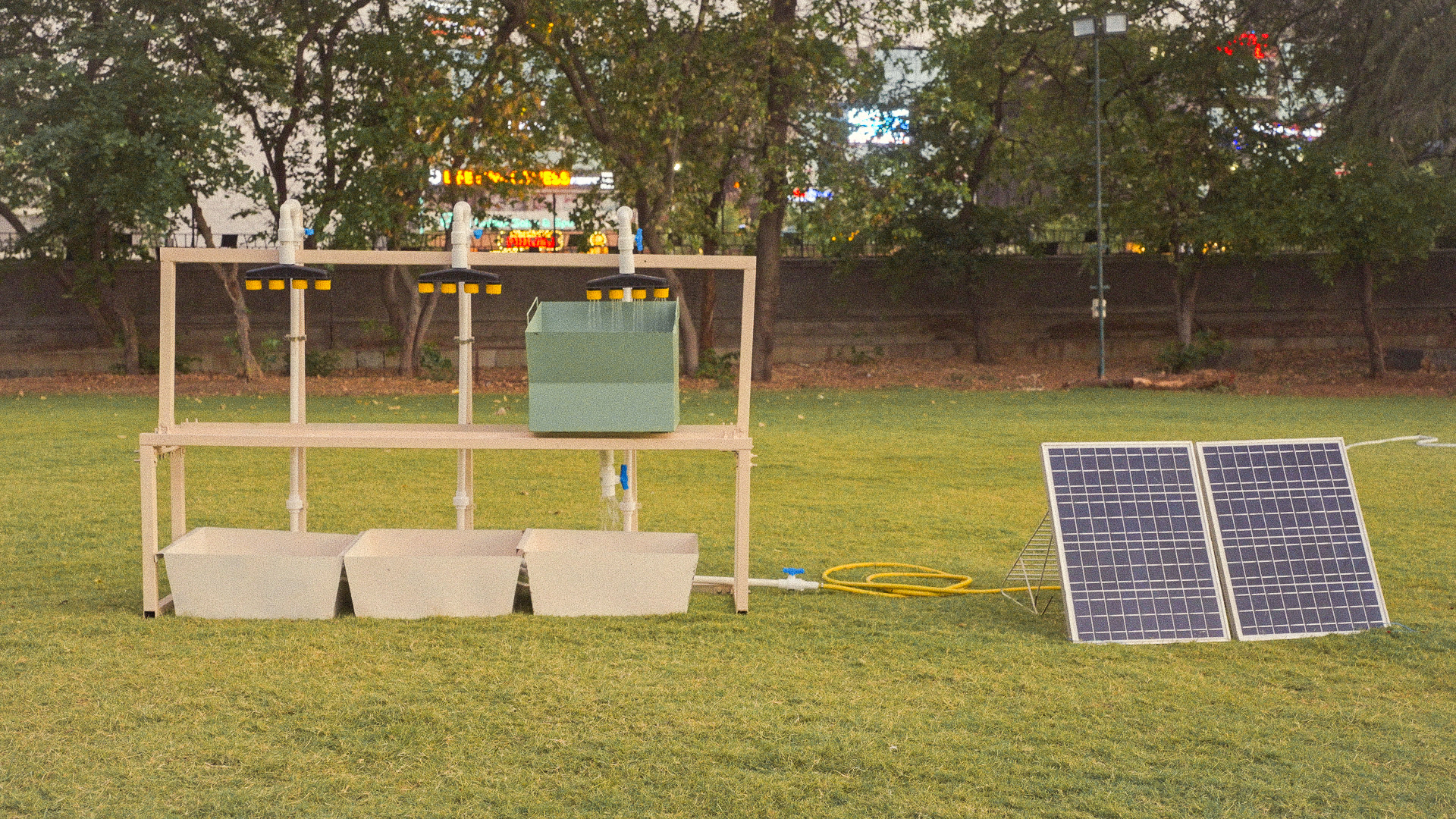
India has the third largest sheep population in the world, but the country’s wool requirements are largely met by imported wool. This has resulted in a sharp decline in wool procurement from shepherds and pastoral communities. With the lack of technological infrastructure, competing demands on people’s time, investments are needed to scale deep into the technology used for wool pre-processing at the village level. Still further, modularity and the reliability from energy generation at site, through distributed renewable energy systems, can be leveraged to power wool processing, potentially avoiding drudgery, increasing production, and improving net incomes.
One such hurdle has been the inefficient and tedious process of wool scouring. Traditional methods often involve the use of harsh chemicals and consume significant amounts of water, leading to pollution and resource depletion.
To address these issues, the introduction of a small-scale scouring machine running on renewable energy in Ladakh region has the potential to revolutionize the textile and handloom industries, especially in rural and semi-urban areas.
____________________
Field: Product Innovation + Machine Design + Systems intervention + Social Impact
_____________________
Client: The project is undertaken as a part of grant awarded by UNDP Accelerator Labs, and People of Japan
_____________________
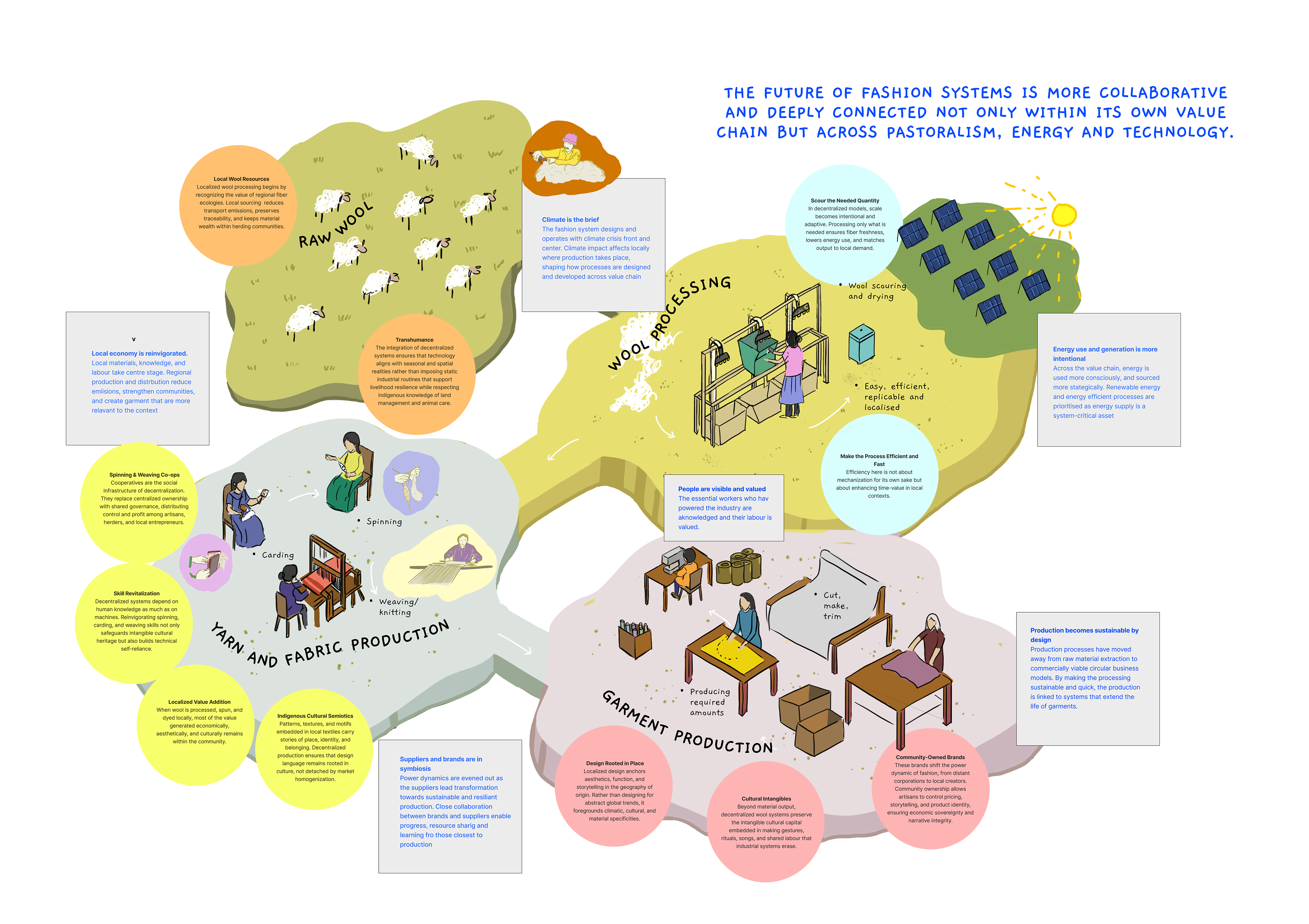
A systems map of the wool value chain in India, its impactants, and a plausible future with decentralized interventions
Synopsis
Decentralised wool futures is a design inquest, exploring the relationship between craft and technology, and posing an intervention for a systemic change.
The inquiry and action attempt to study and create an intervention for the craft communities, being a nudge for a future possibilities.
Through intensive experimentations and tinkerings with multiple disciplines of design, it seeks to expand the broader scope of systemic possibilities
Finally, it seeks to create tangible outcomes through research, with a macro outlook looking at the crafts, communities, environments and future.
The resulting outcomes are representations and probes of technological interventions.
The experimentations, product, and its analysis provoke insights and action into seemingly small activities, micro processes with macro impacts. This project also seeks to question and analyse disruptive interventions in age-old traditions and methodologies. The thesis is just a starting point, a dot walking to create a line.
Primary Research: Focus Wool Scouring
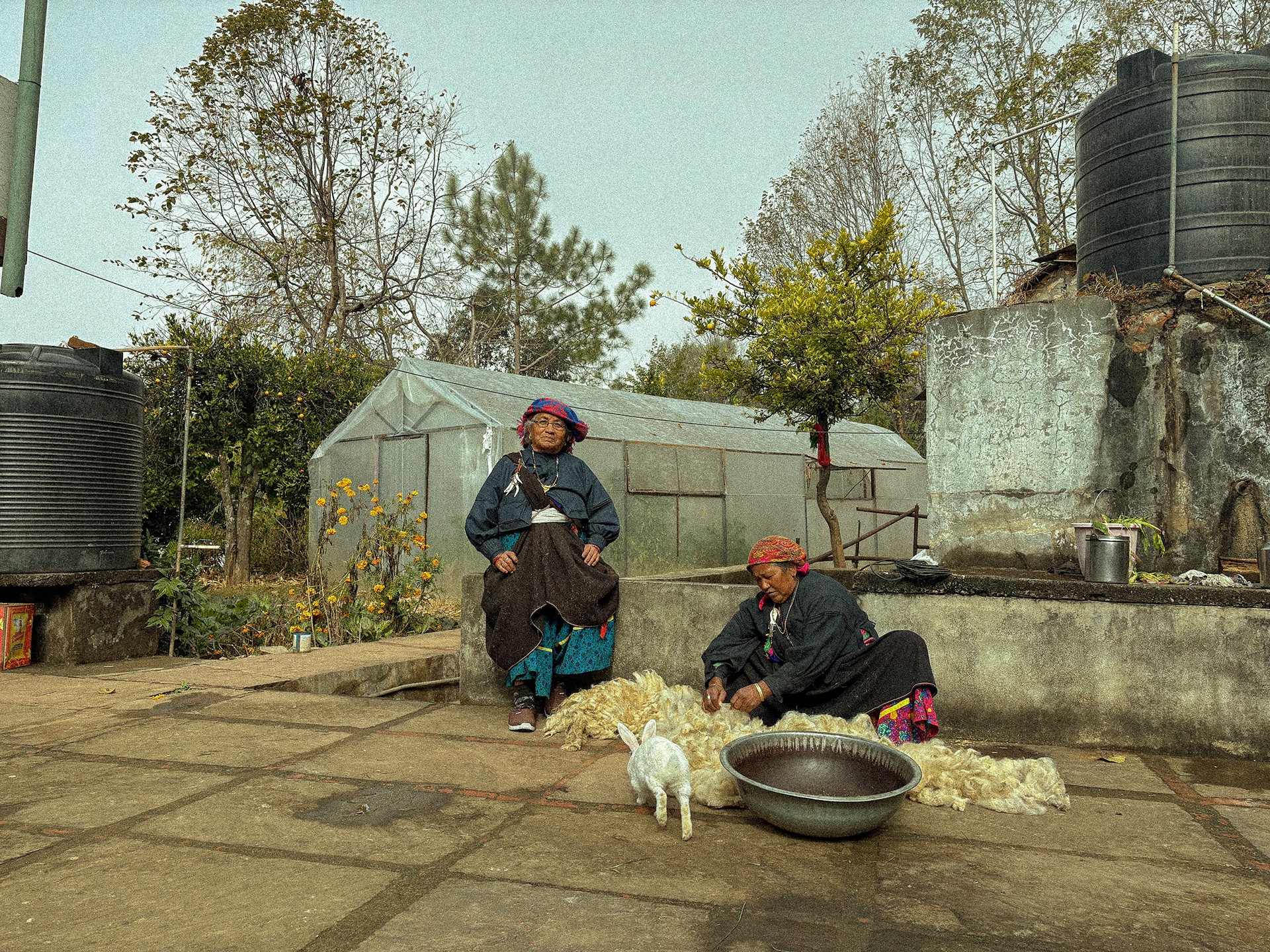
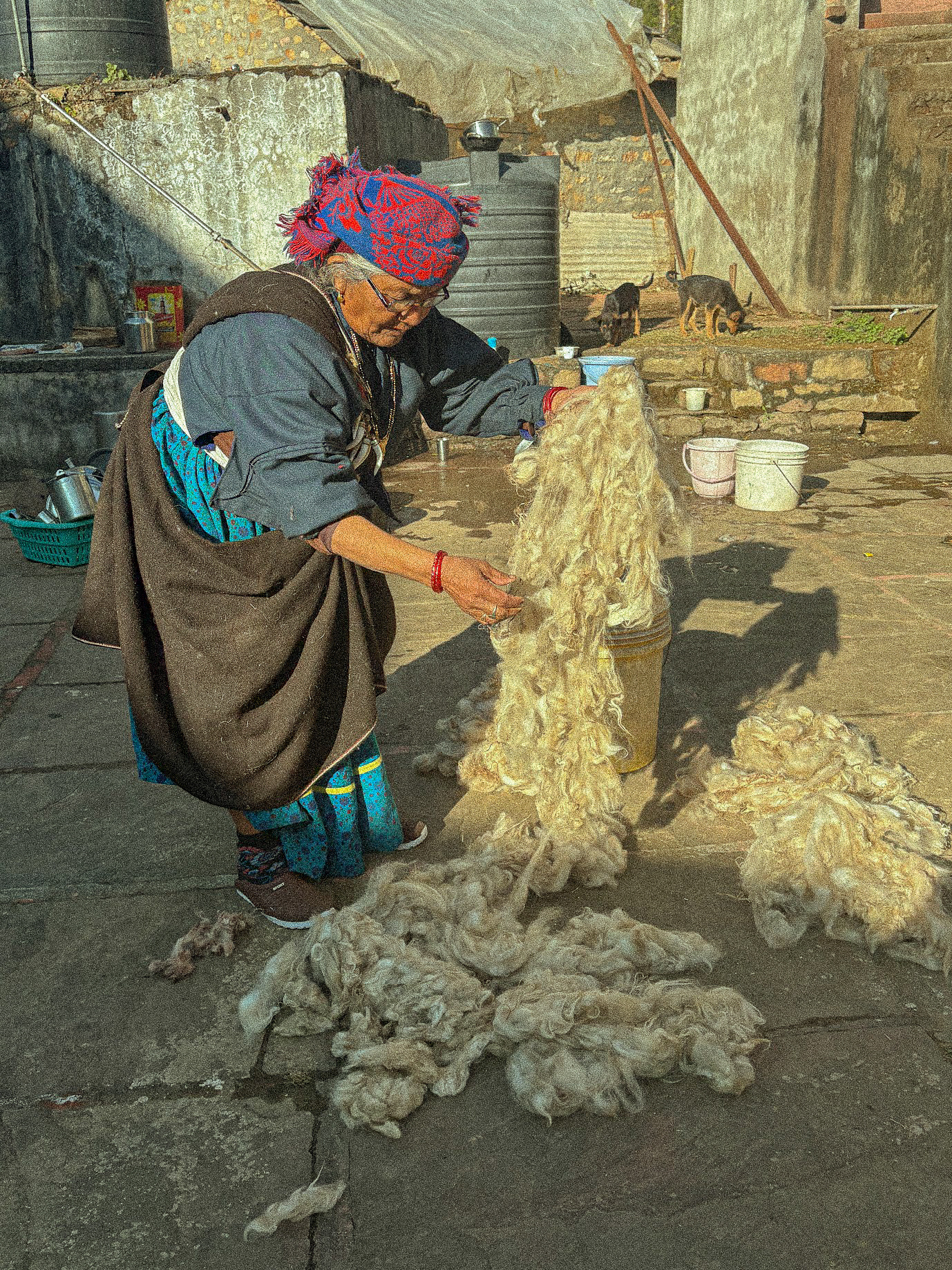
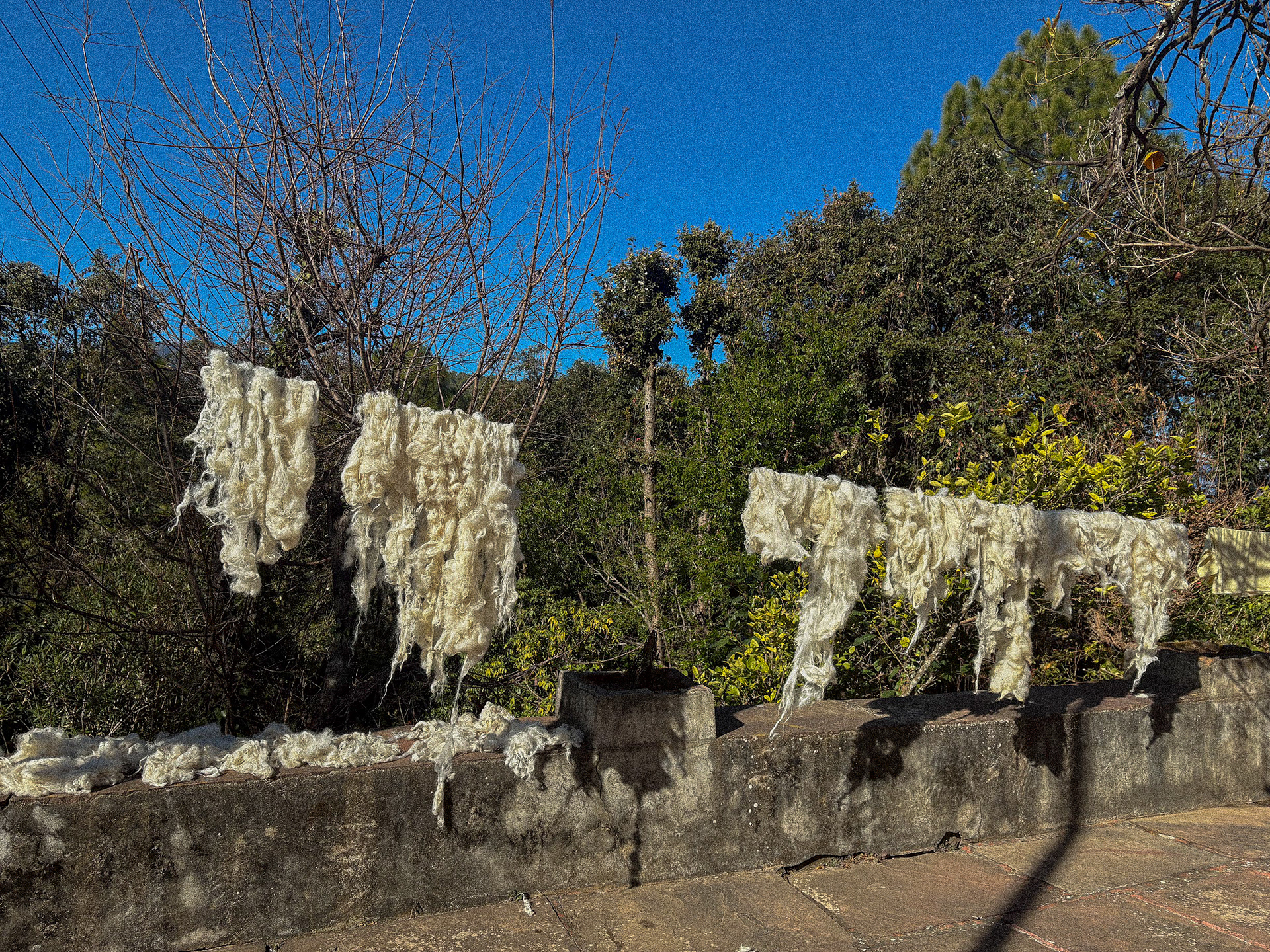
The primary research was undertaken in the village of Kausani, situated in Bageshwar district in the state of Uttarakhand. to understand both commercial, and cluster perspective. Exploratory research was conducted to gain insights into the pre-processing and wool technology.
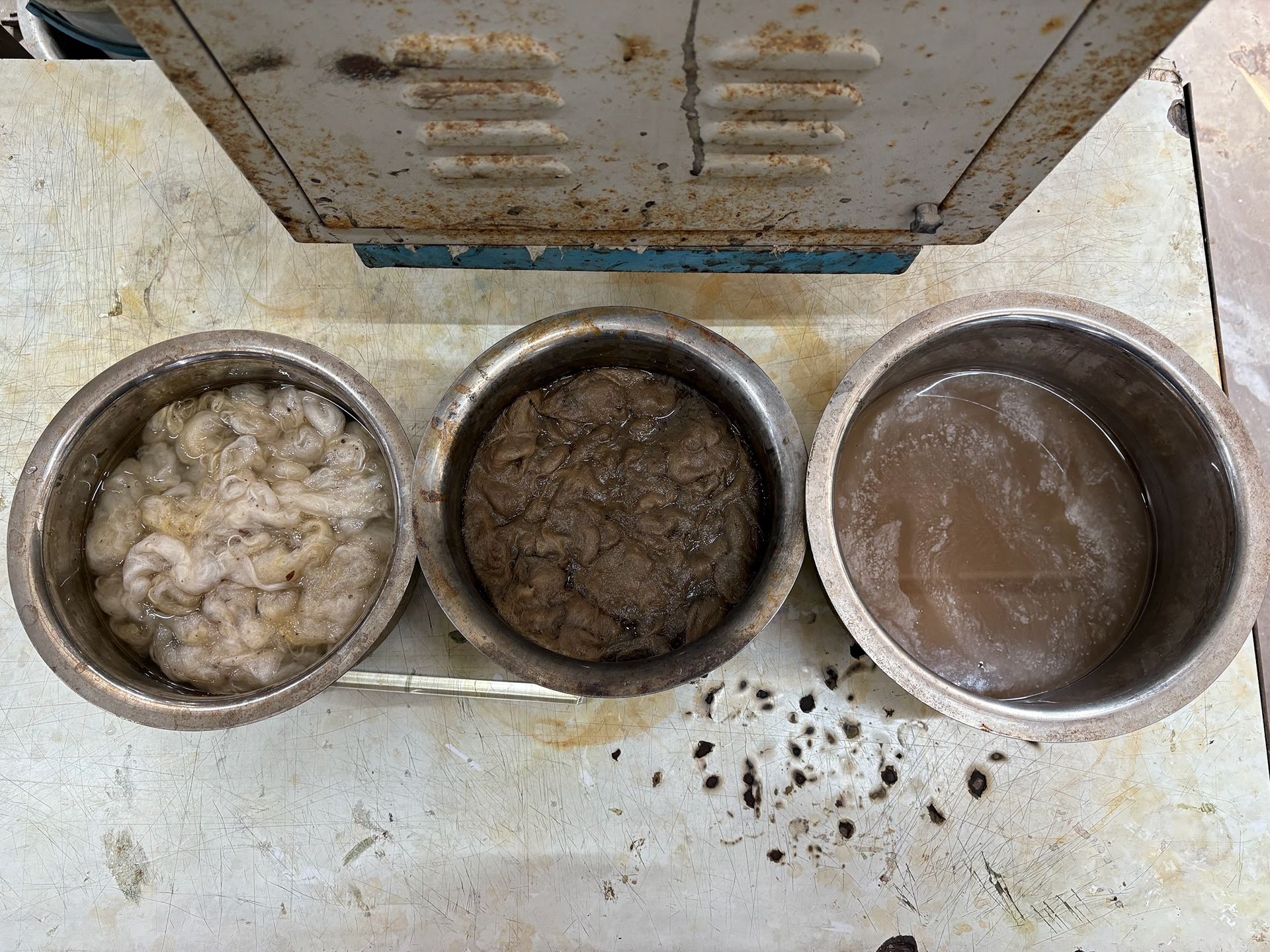
Wool chemistry and experiments
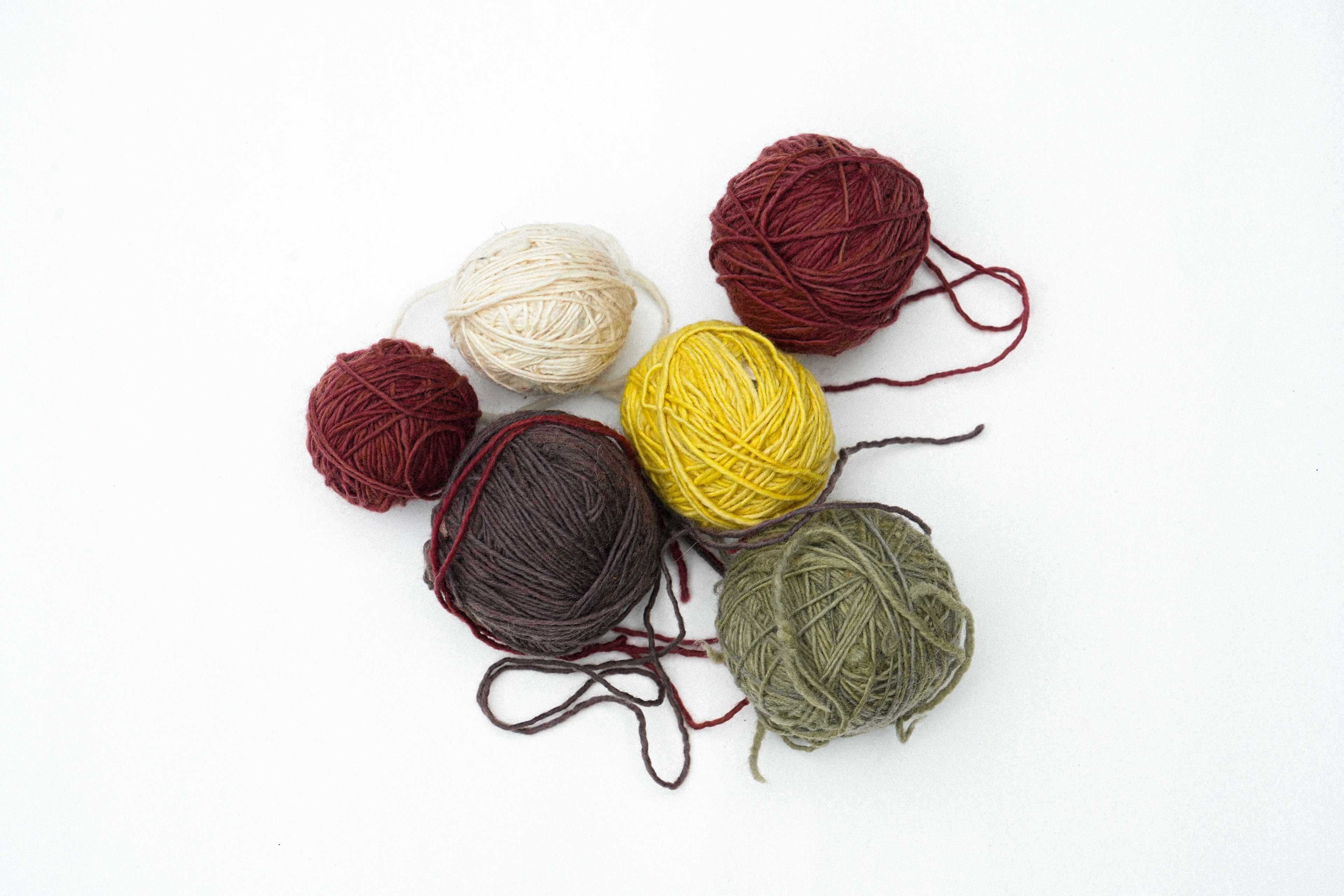
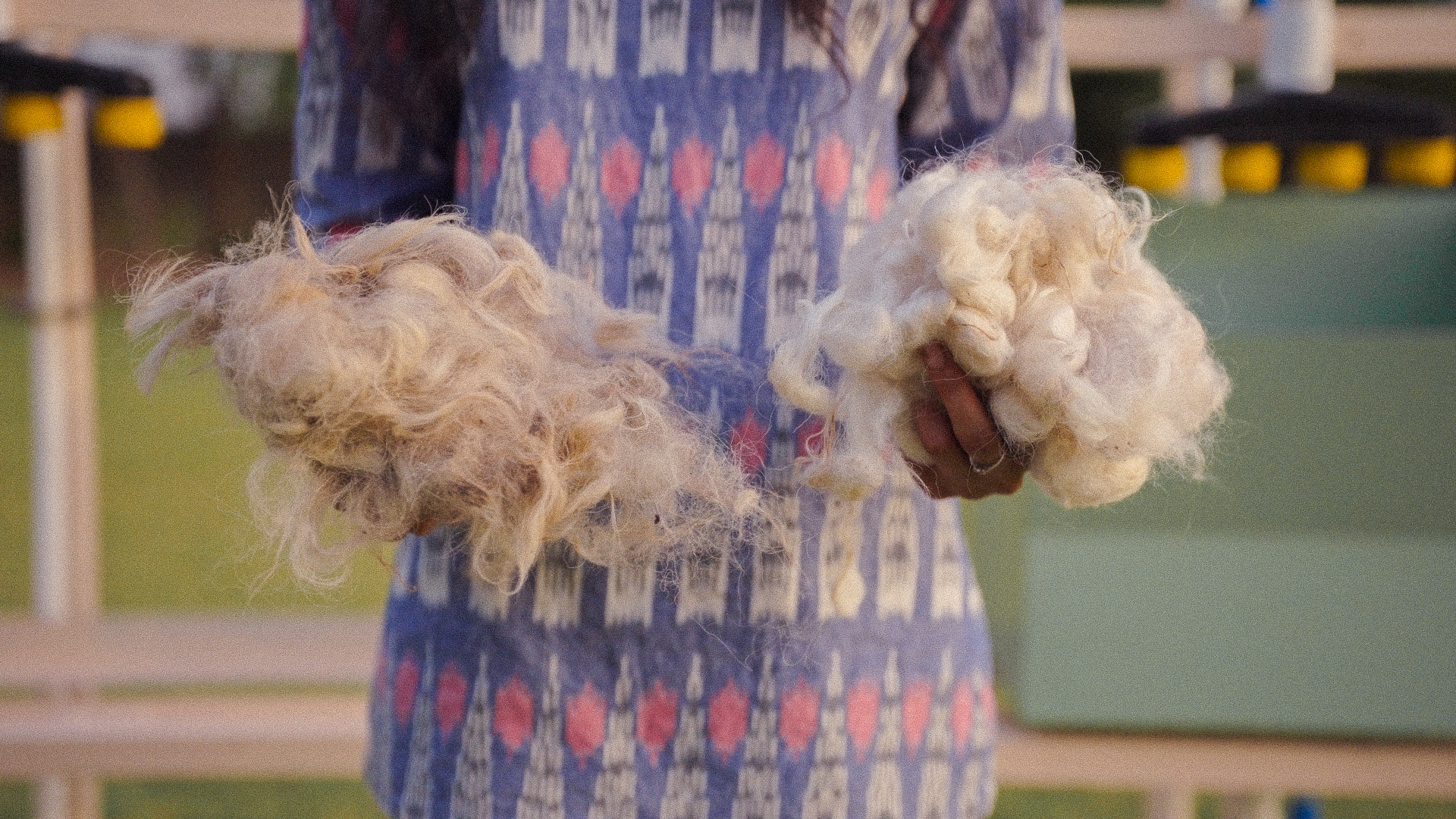
The Ladakhi sheep wool was tested and multiple scouring trials were undertaken to get an optimized process that utilizes less resources and creates an efficient output.
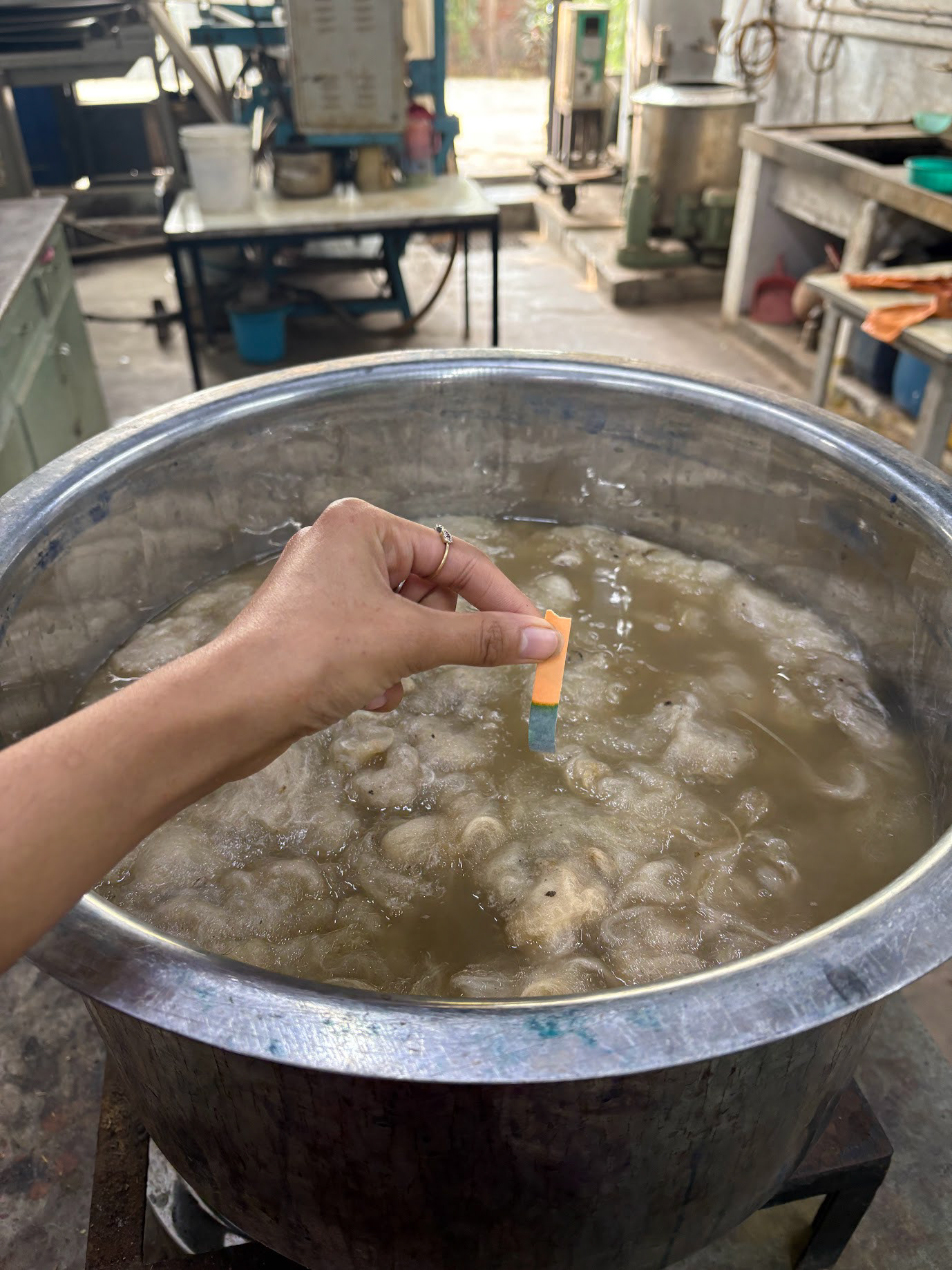
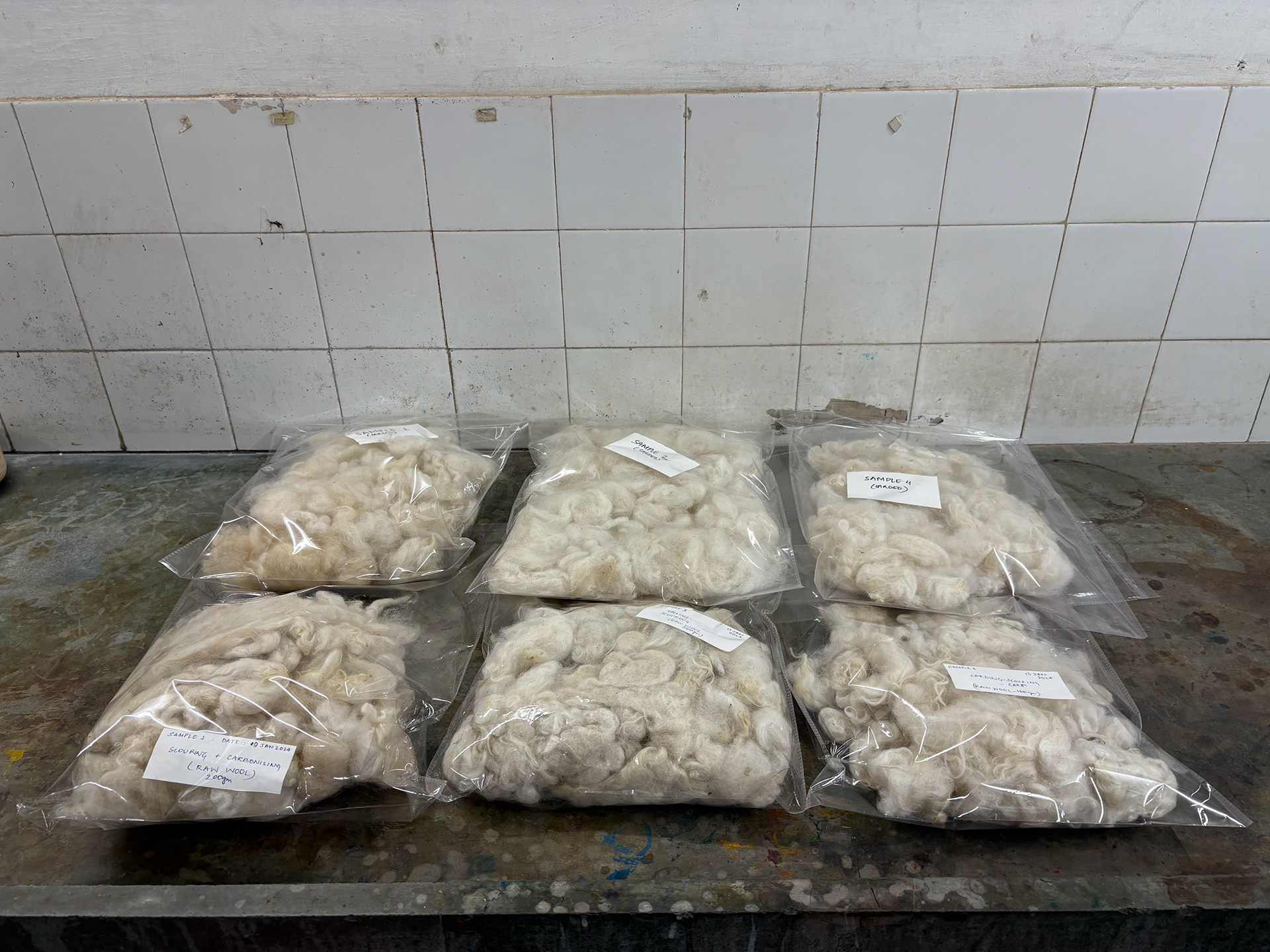
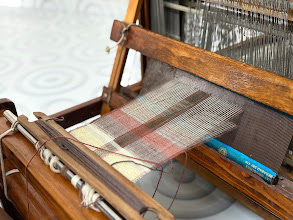
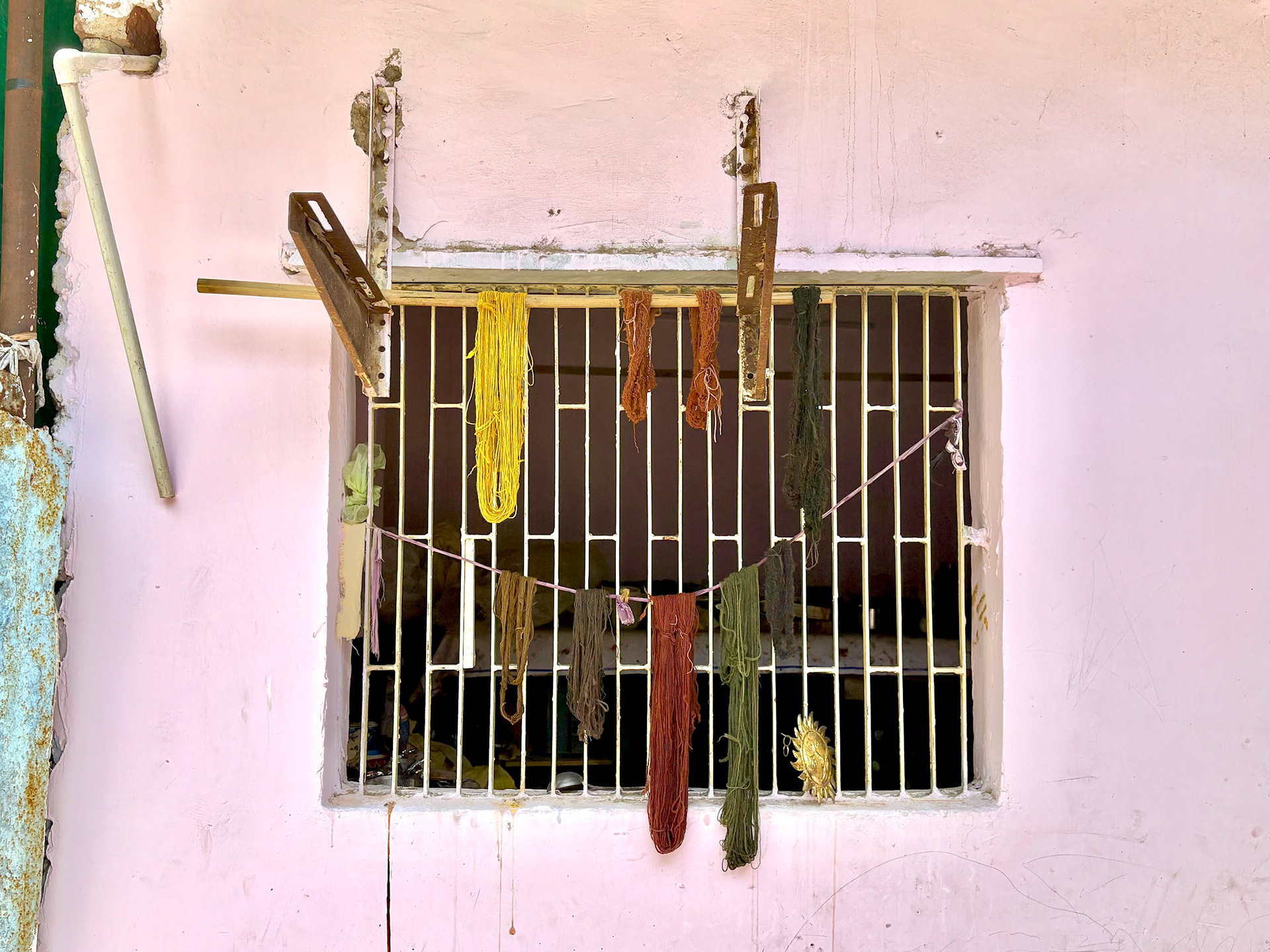
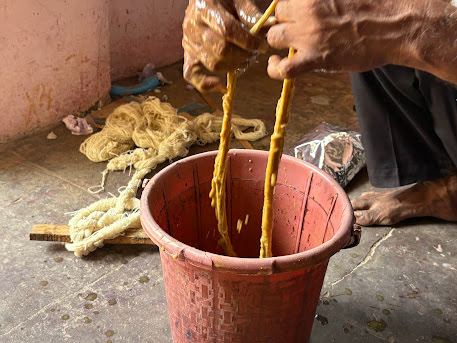
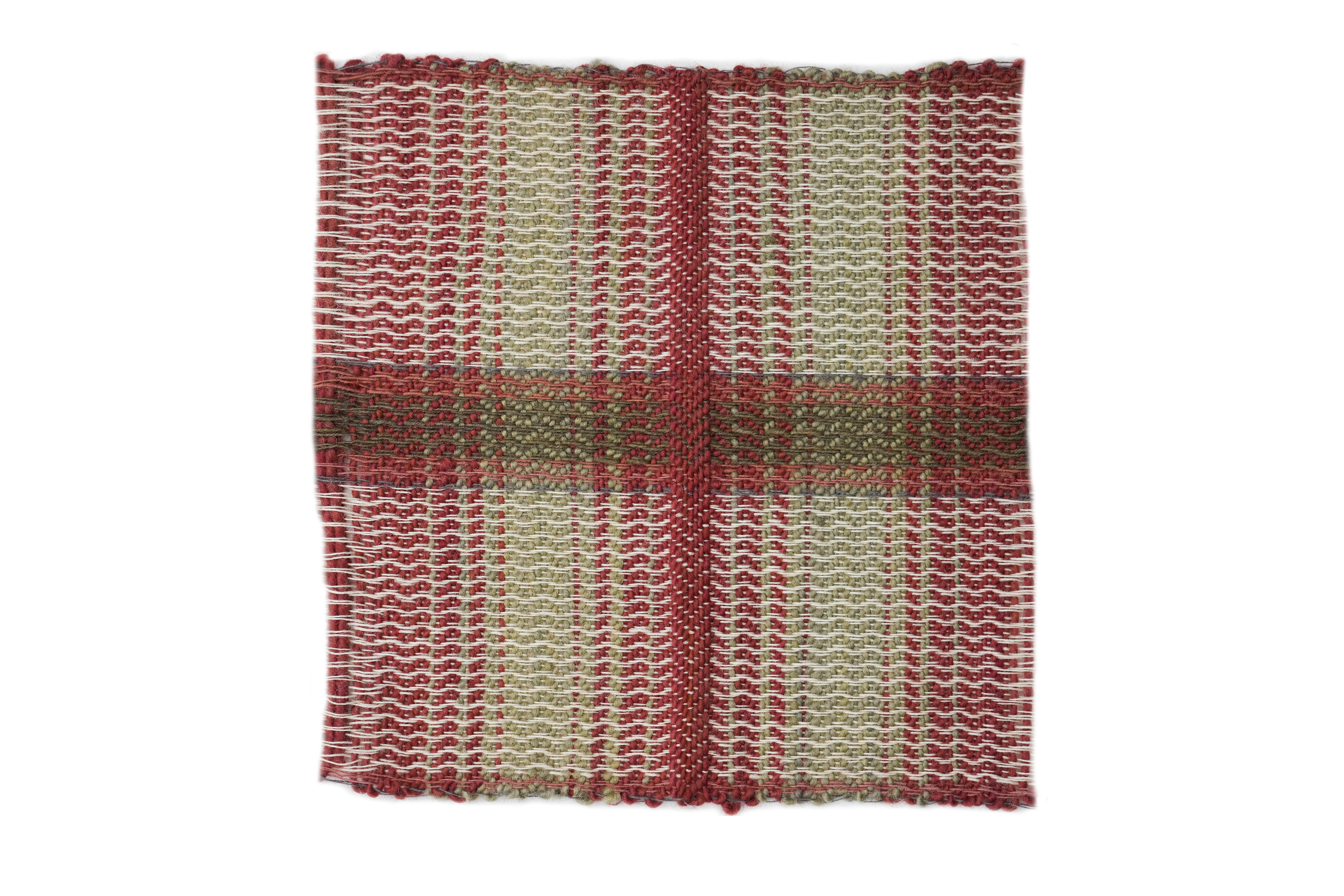
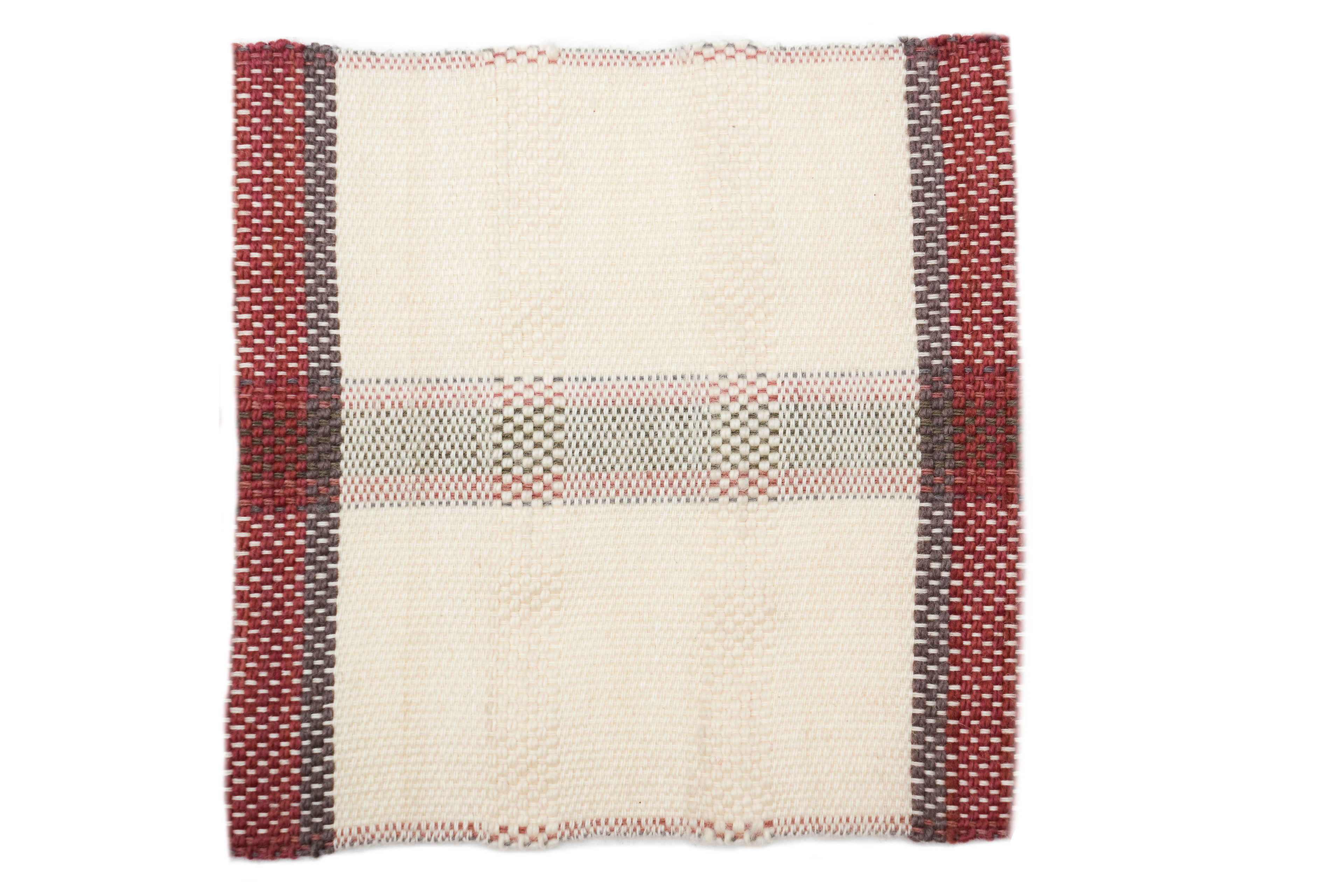
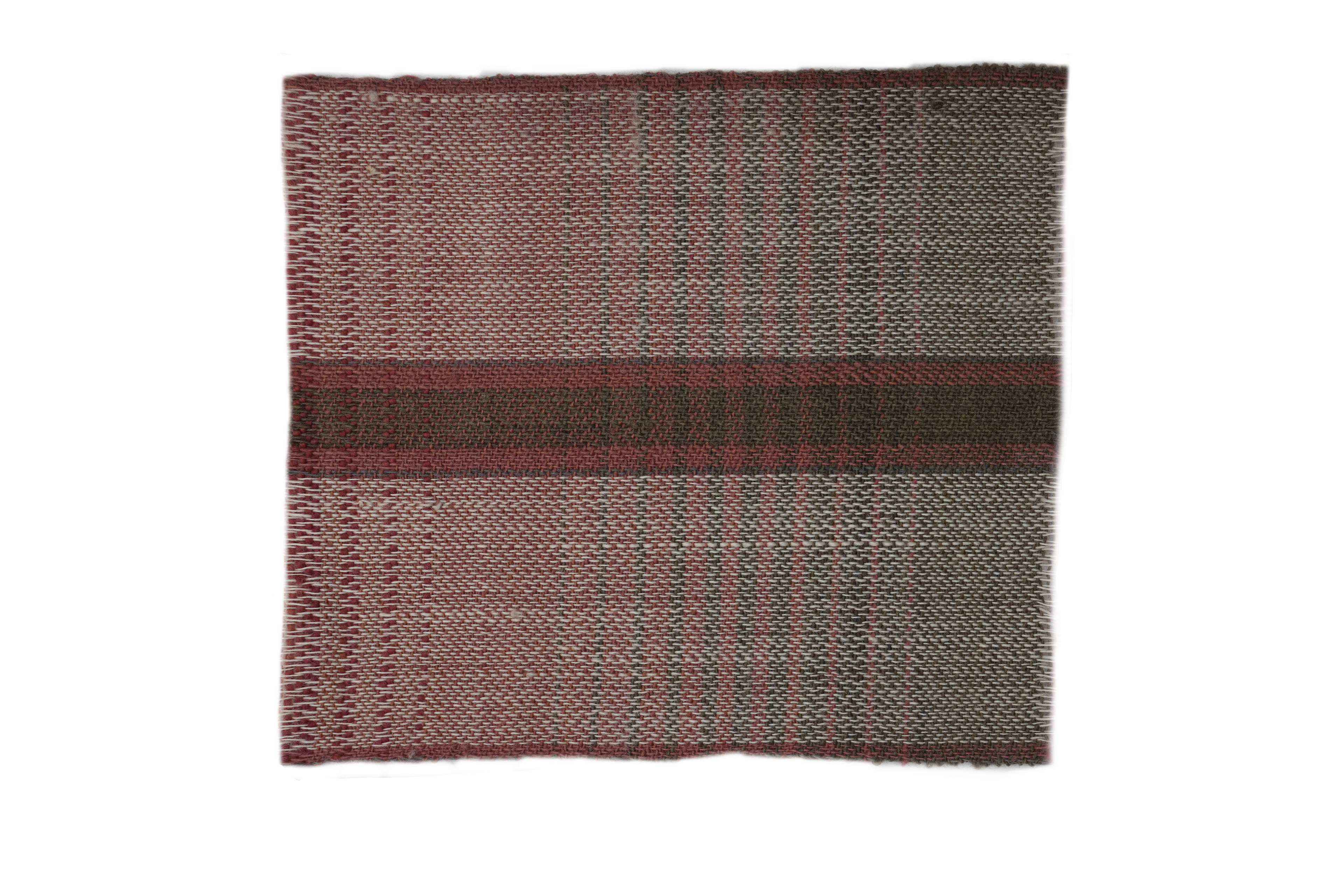
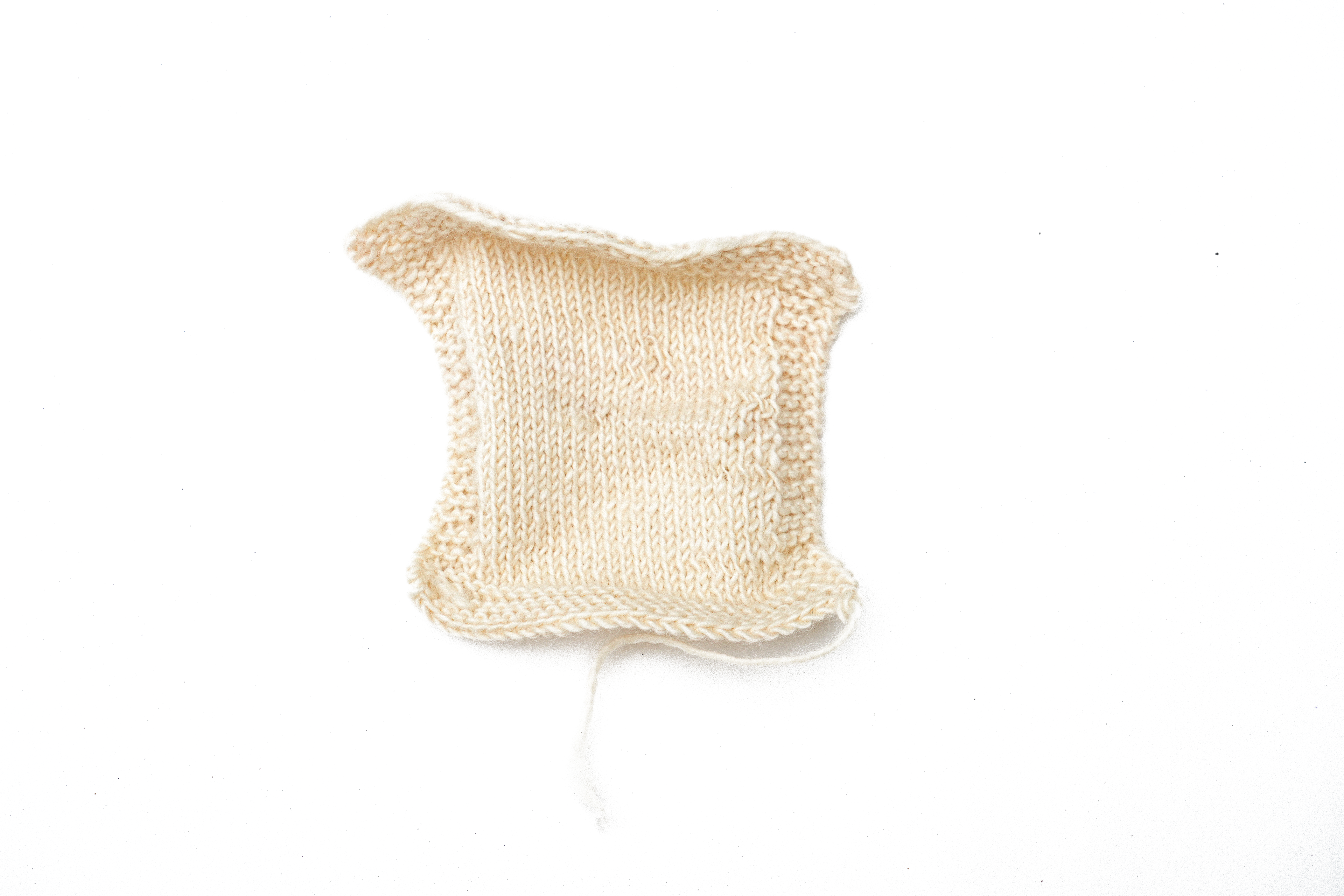
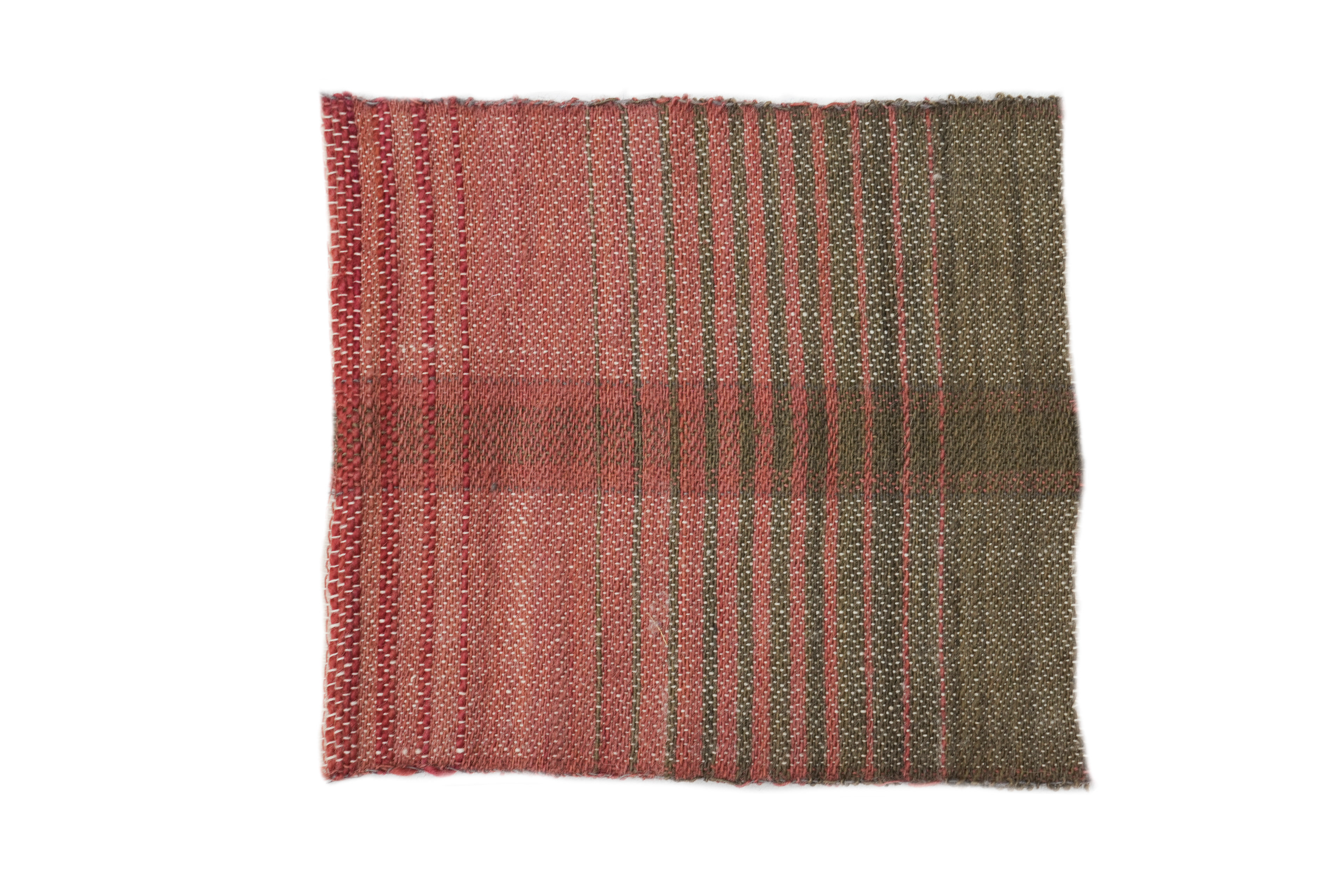
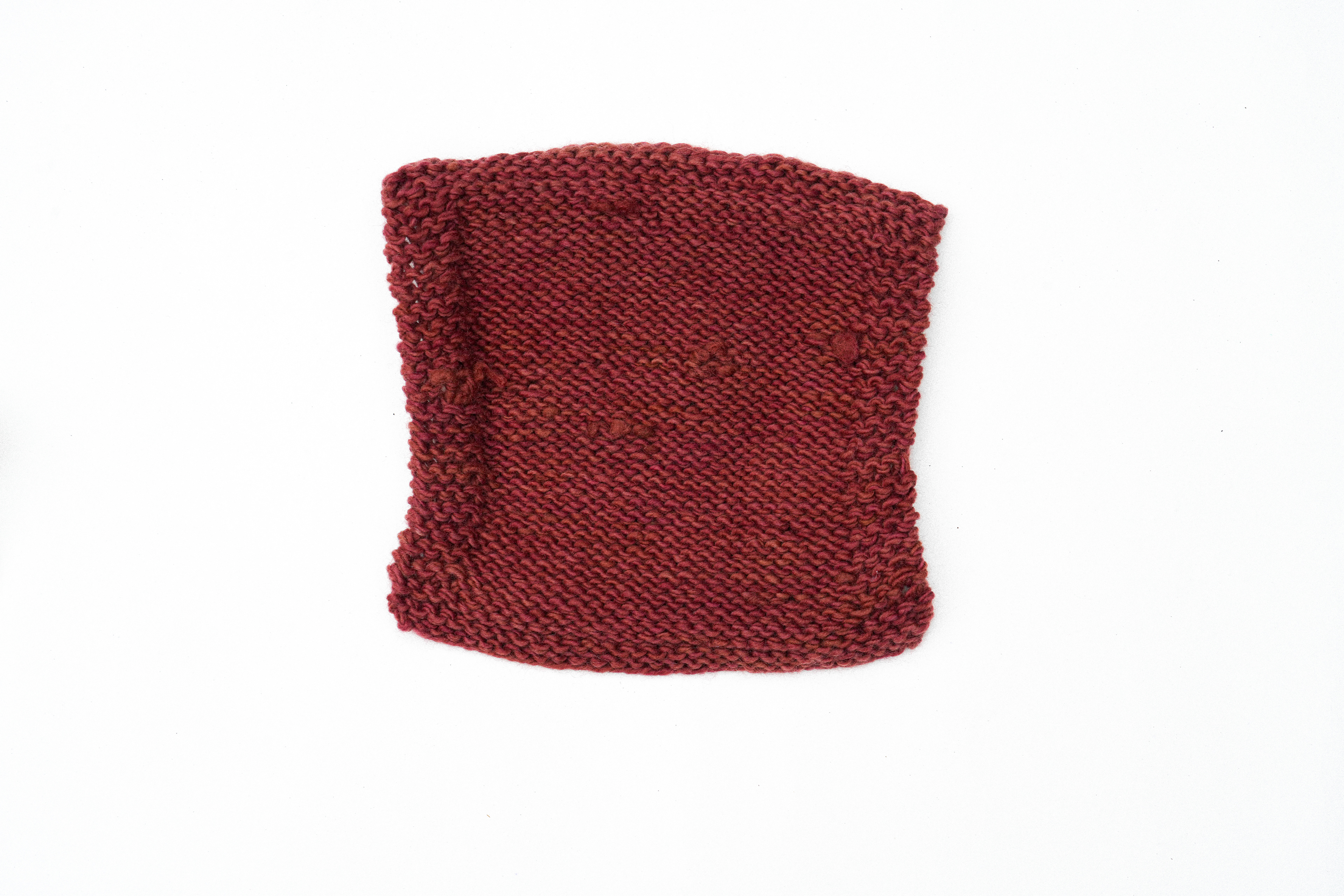
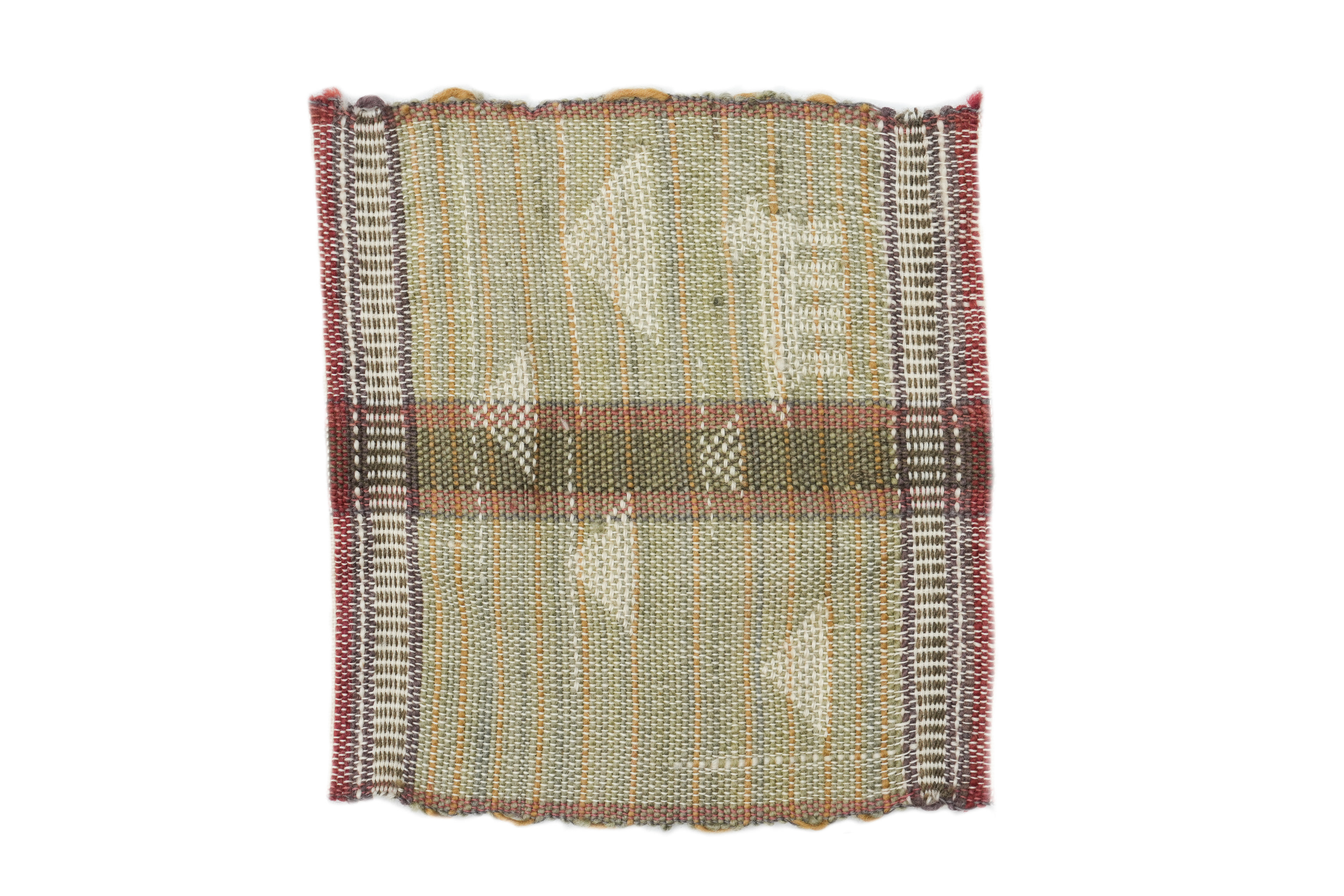
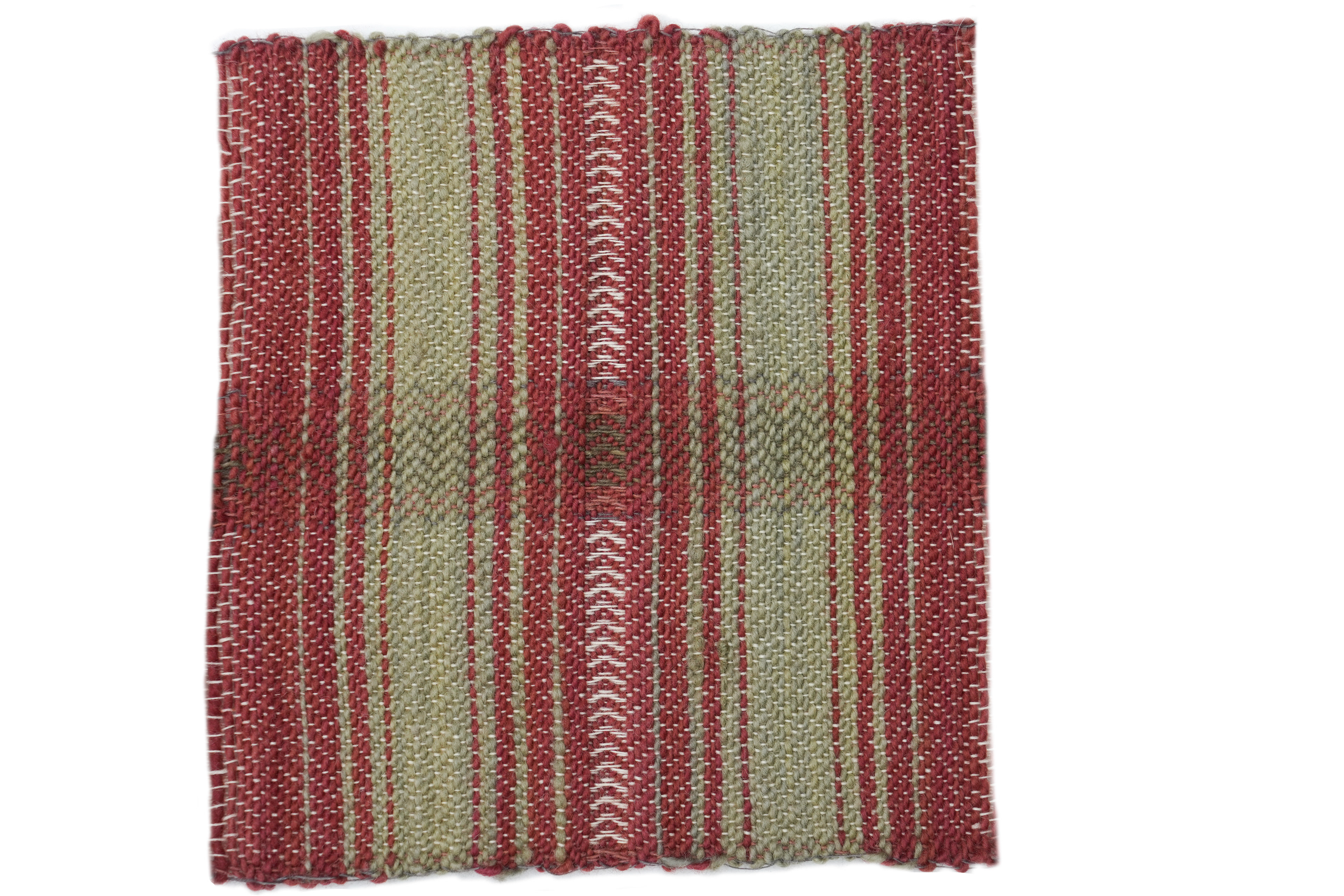
To really prove the validity of the attempt it was important to fully recreate the apparel value chain. To start off, the fiber was spun into yarns, dyed in natural dyes and woven into swatches to see its real world implications. This experiment helped realise the properties, changes, and overall validation the fiber processing.
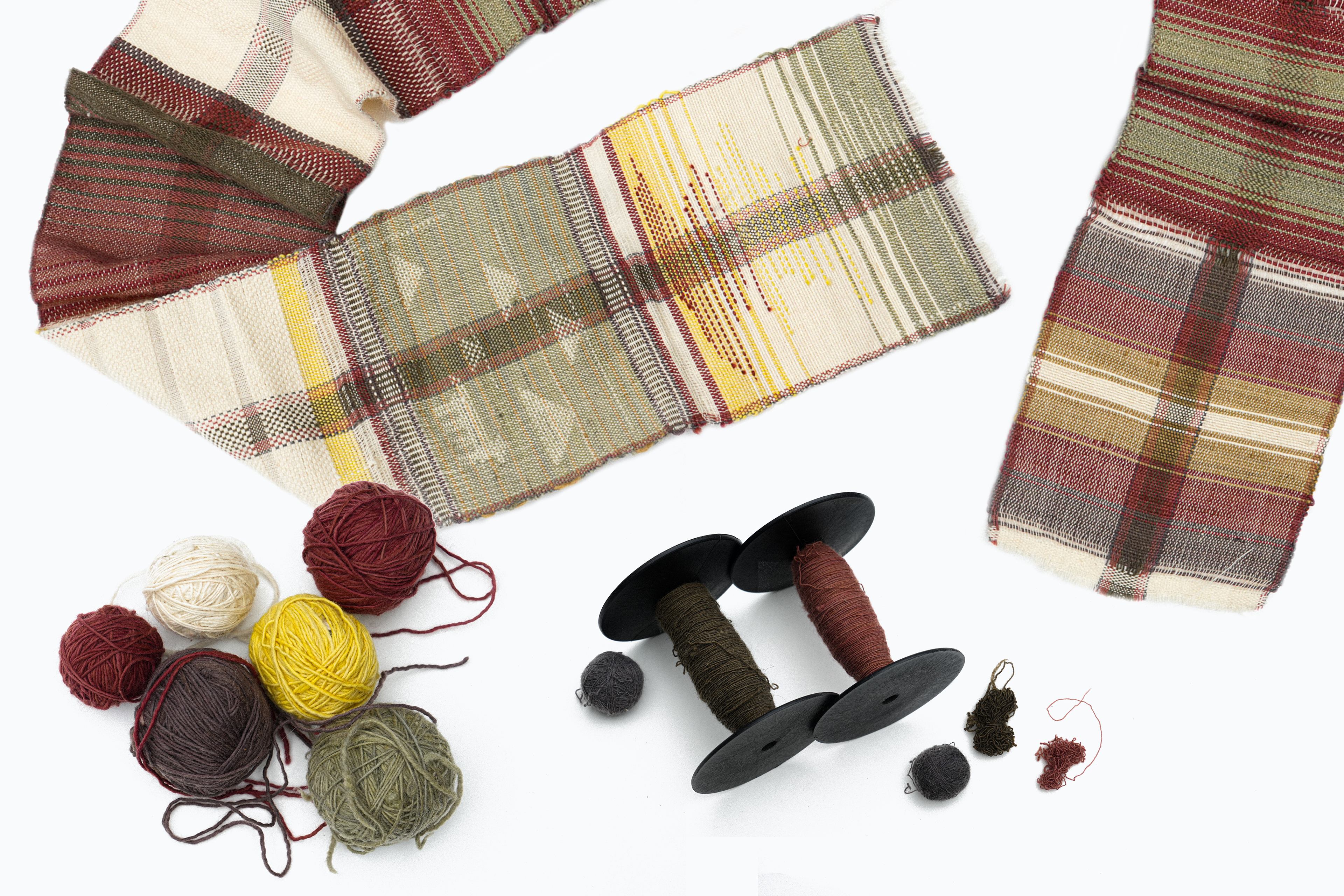
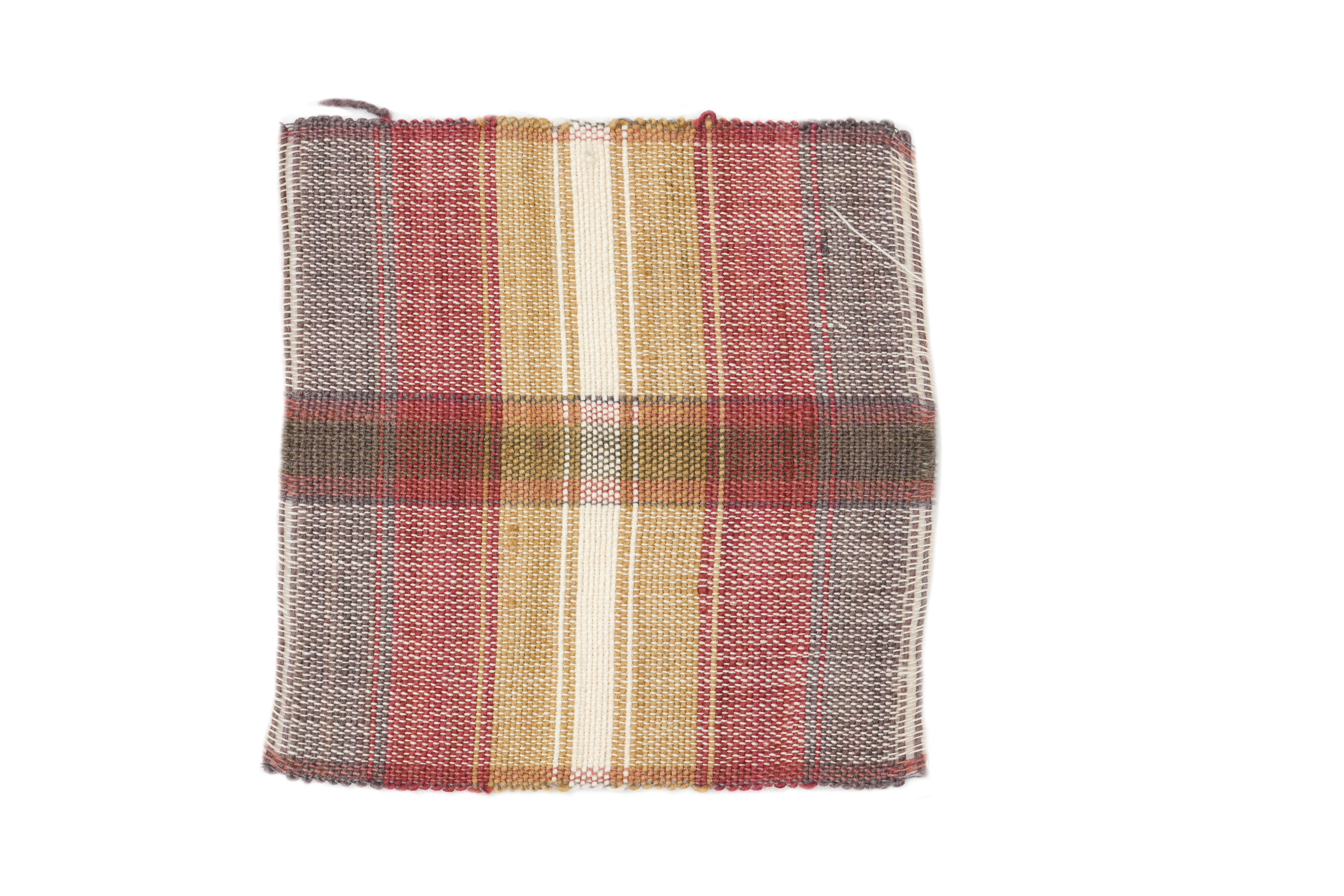
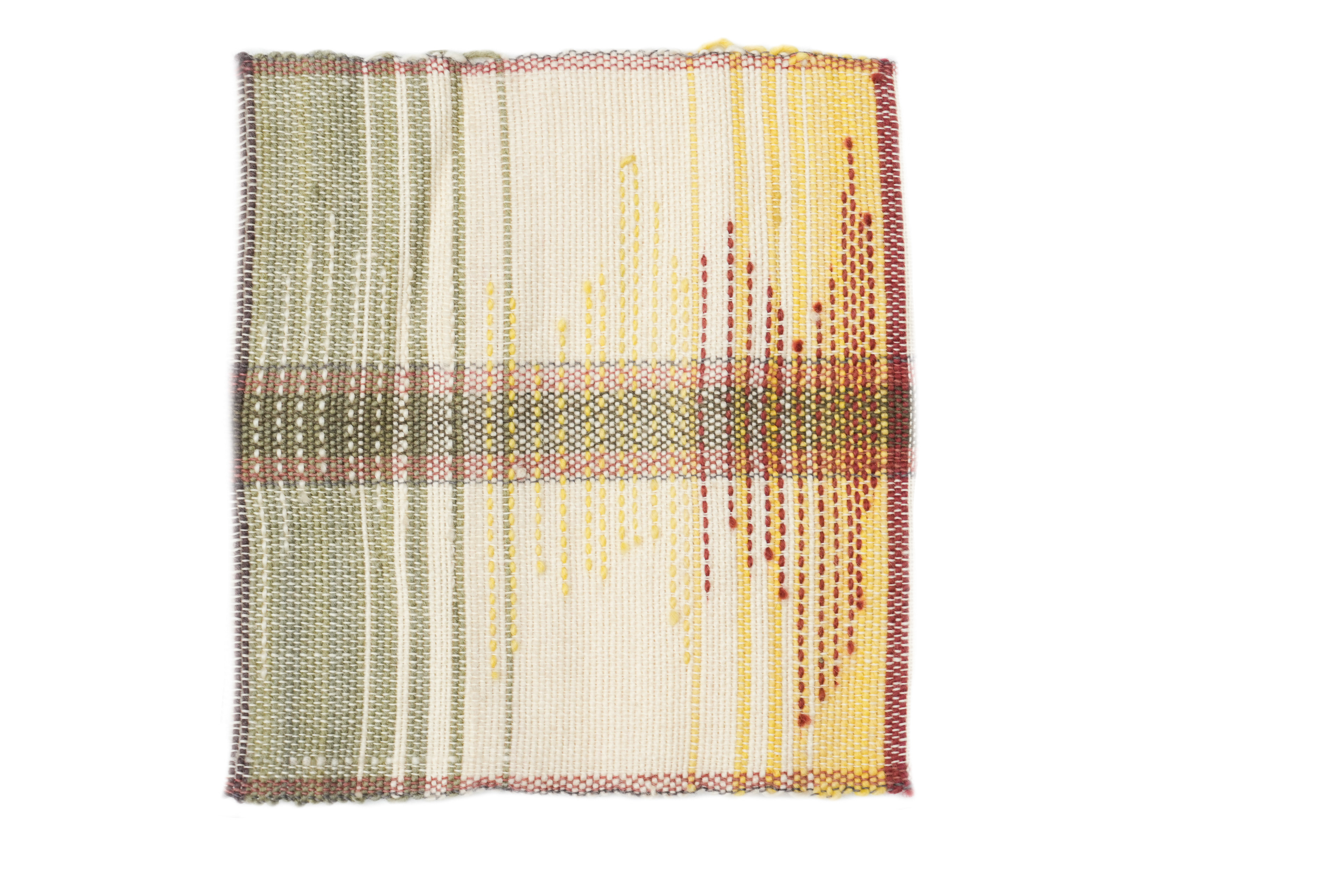
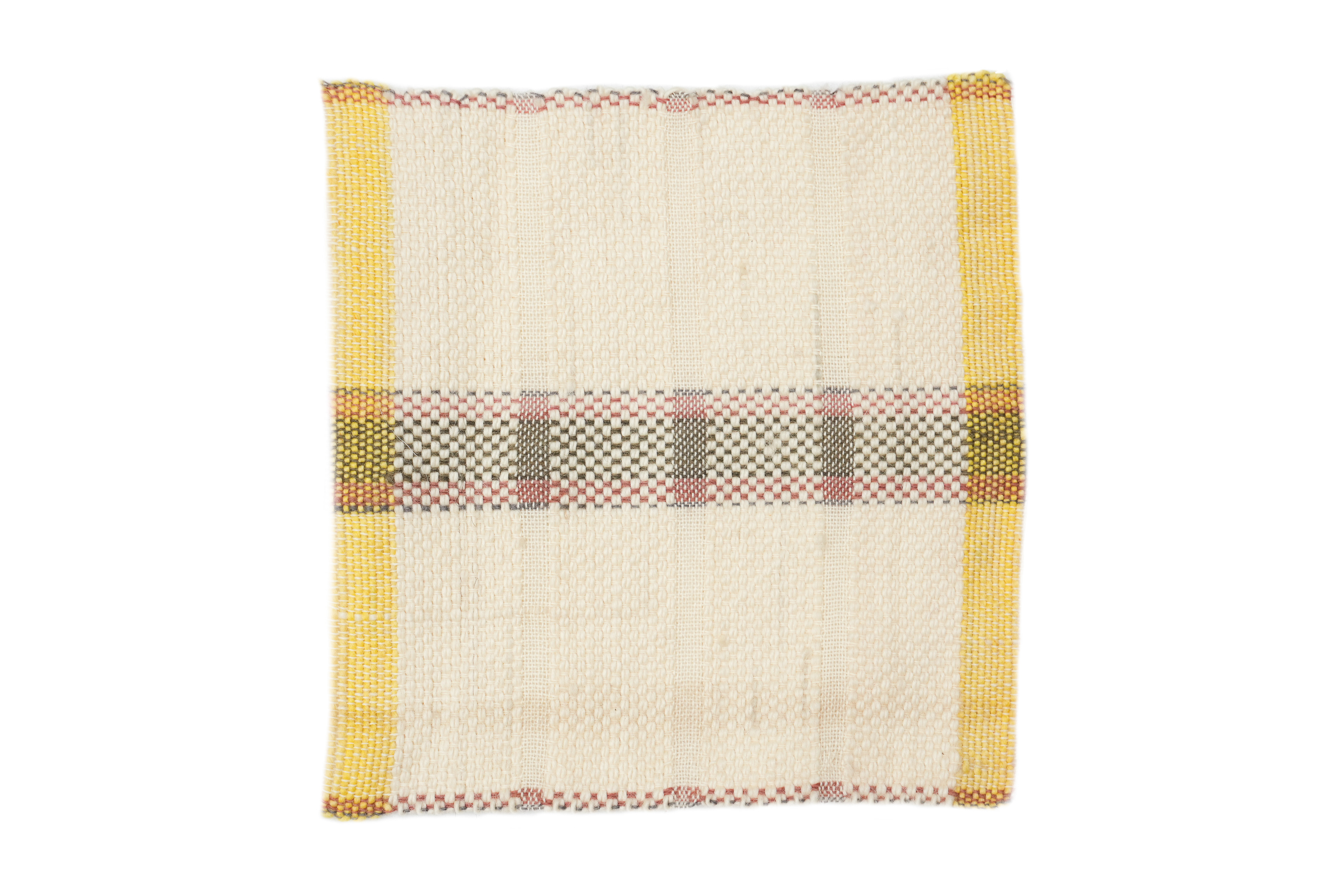
Decentralised wool futures is a design inquest, exploring the relationship between craft and technology, and posing an intervention for a systemic change.
Get in touch to know more about the project in detail.