TECHNO-CRAFT
(2022)
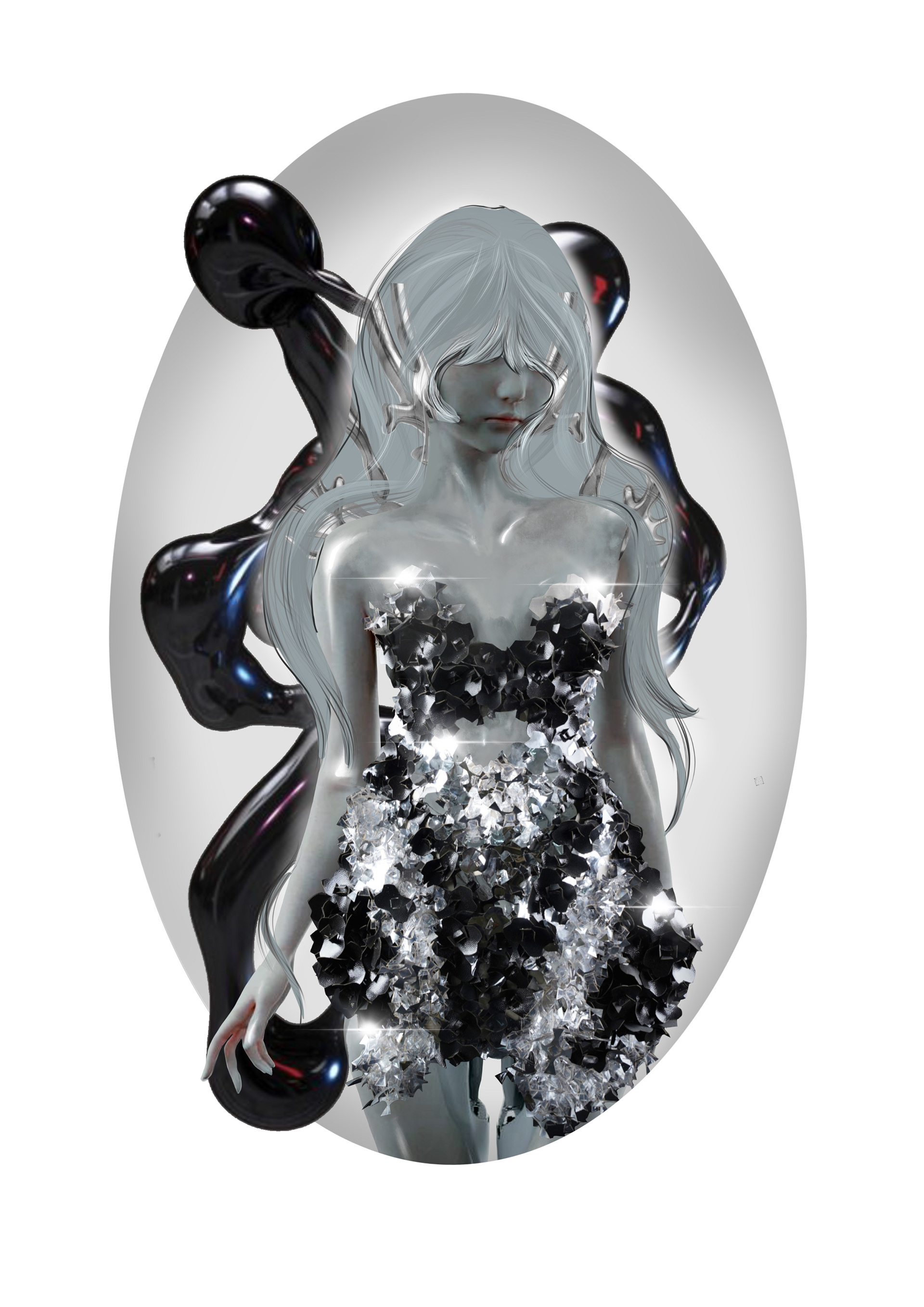
Human bodies have always interacted with technology. Digital bodies, in the context of design and art, encompass the representation and exploration of the human form using digital technology. The concept of bringing digital bodies into tangible reality opens up new avenues for creative expression, blurring the boundaries between the virtual and physical worlds. By combining digital technologies with physical manifestations, the aim is to create a sensorial experience that pushes the boundaries of traditional art forms and engages viewers in novel ways.
Objects are viewed as participating in specific sets of relations, including those with other artifacts as well as with people. The term ‘assemblage’ is often used to capture these entanglements. Assemblages of human flesh and nonhuman actors are constantly configured and reconfigured.
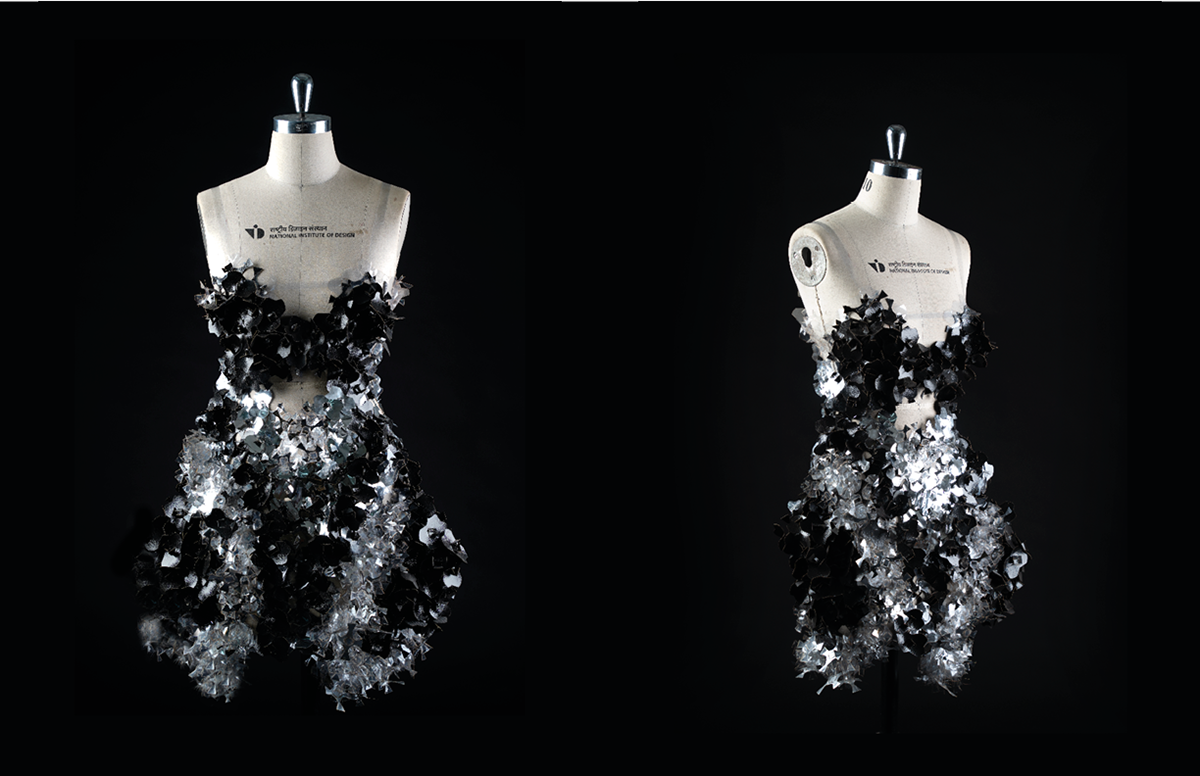
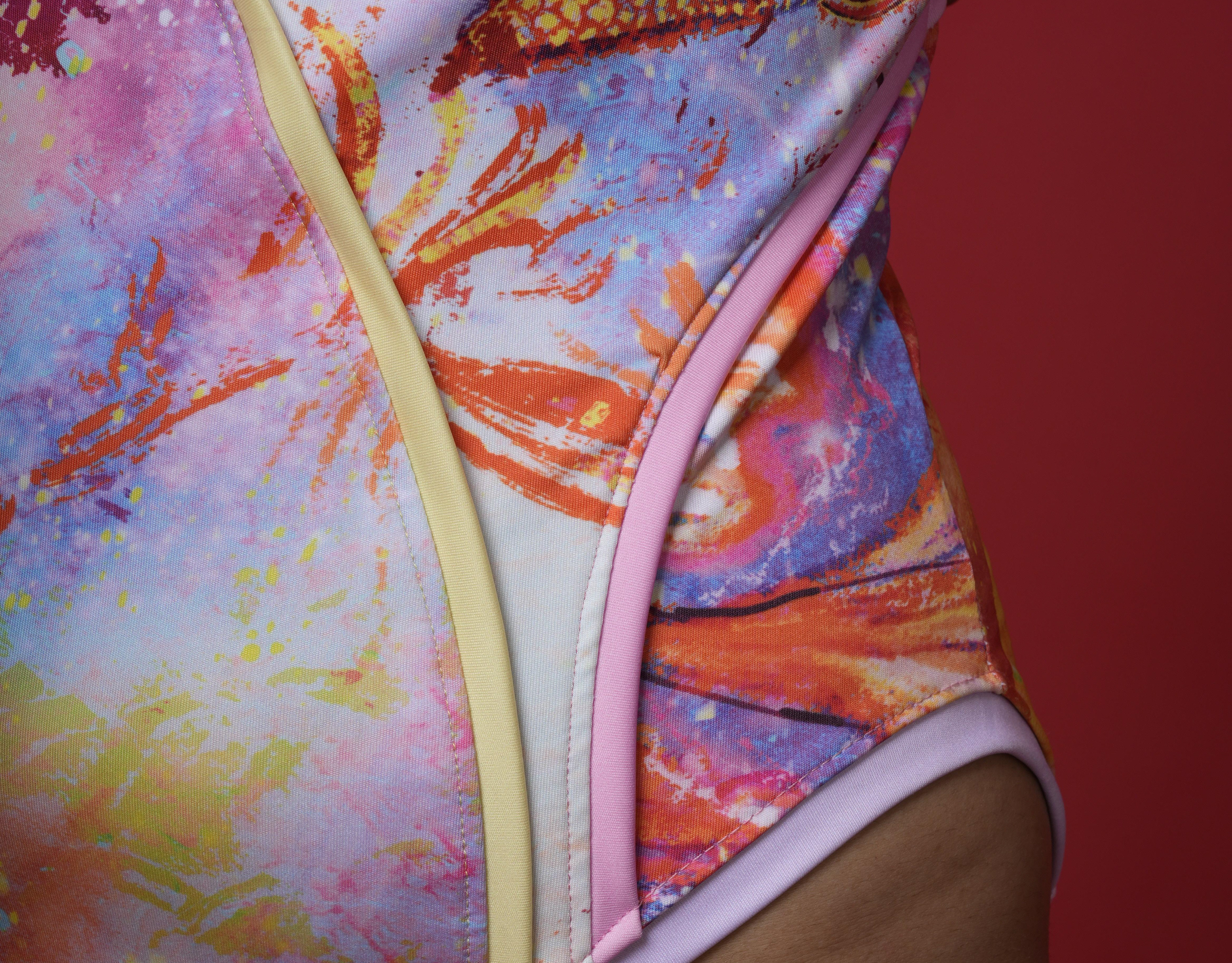
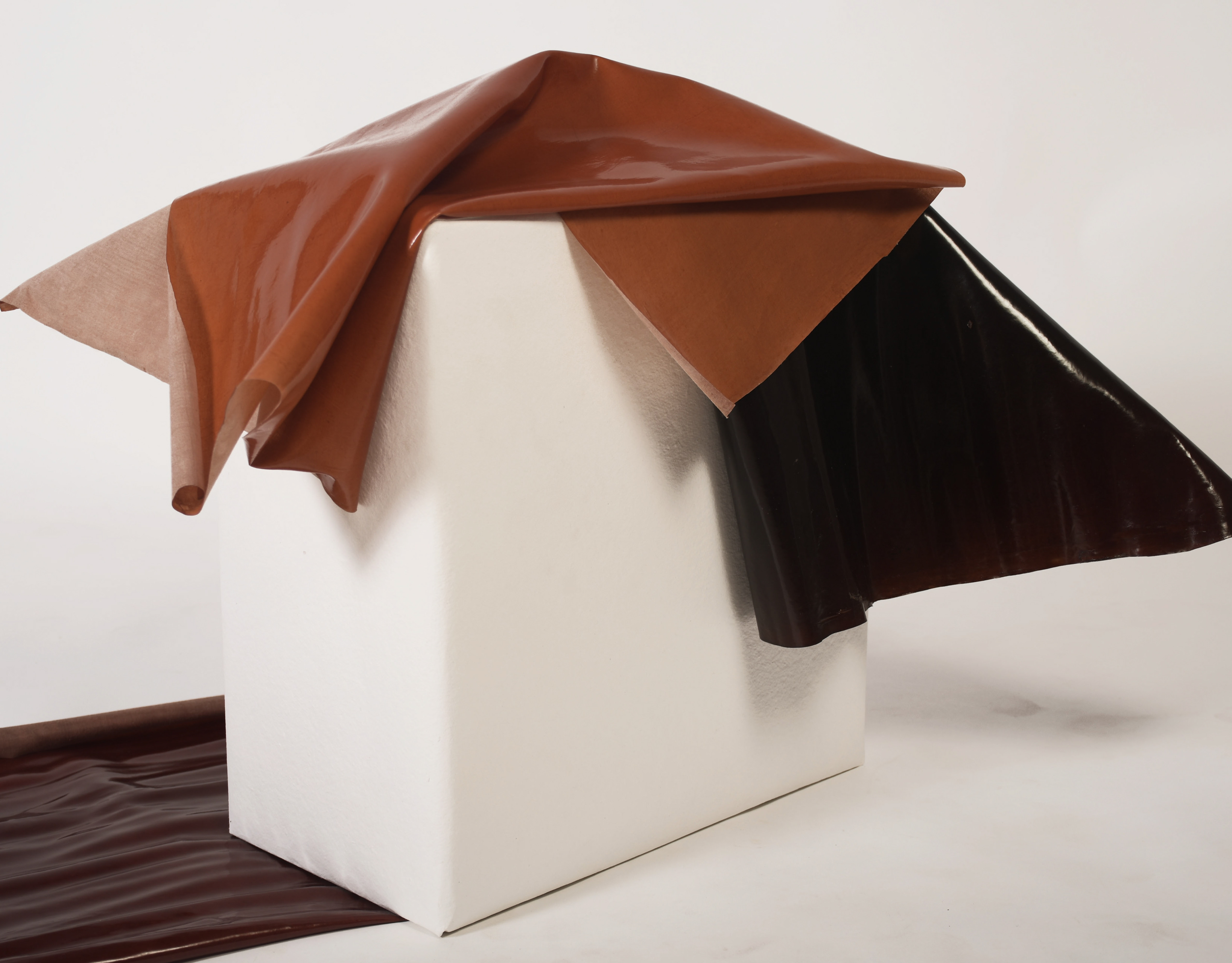
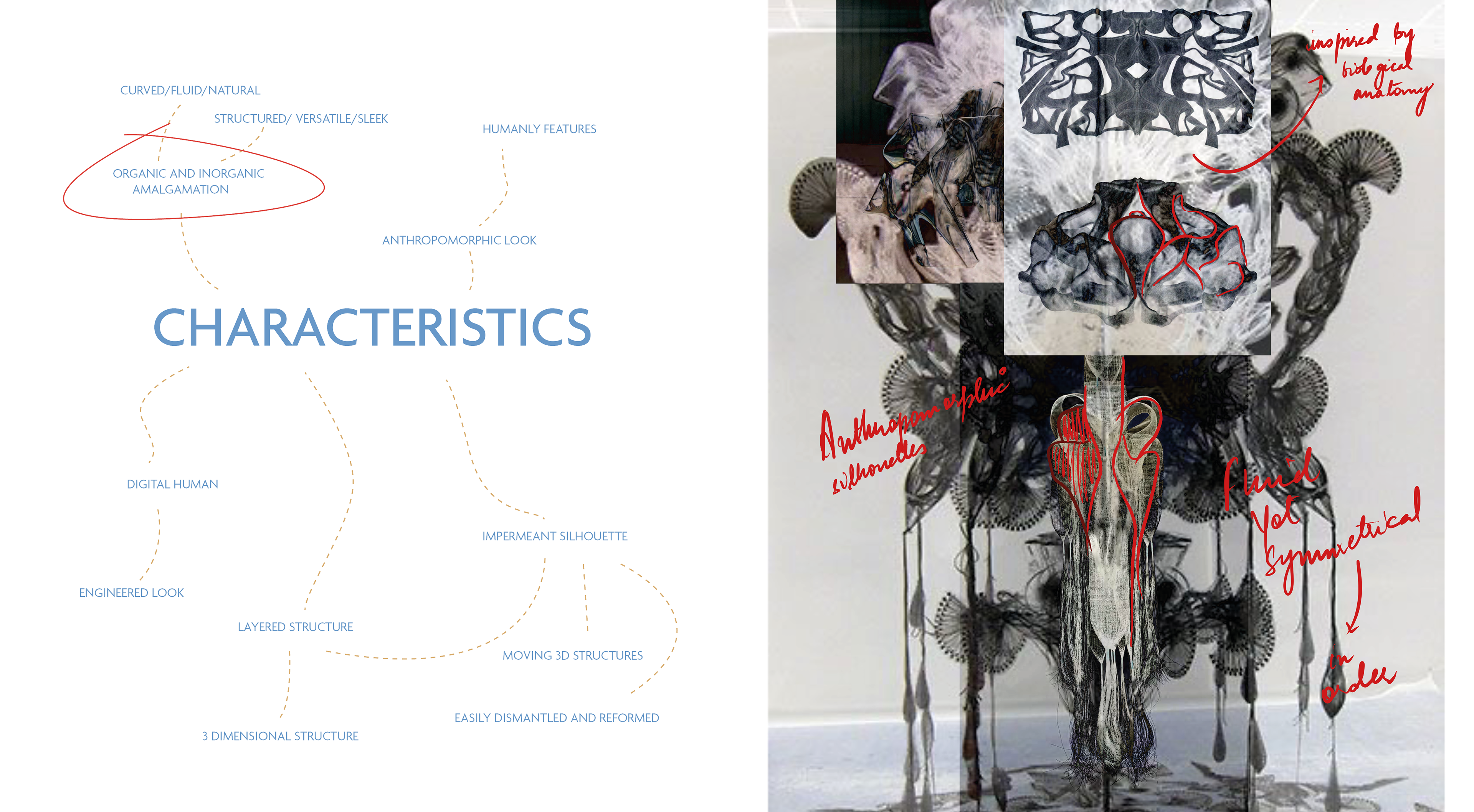
Techno-craft explores the idea of hybrid materiality, creating a physical entity mimicking the digital reality, delving into the idea of a digital body and the interaction of a human with technology. The modular garment is created by zero-waste geometric patterns, interlocked to create a 3-dimensional textile offering numerous combinations of patterns.
_____________________
Field: Wearable art + Modular Design + Apparel Design
_____________________
How can material interaction challenge our experiences?
Embracing the reflective trend throughout the art and design industry, Techno-craft celebrates the simplicity of the form by offering a unique approach to the form, colors, and materials.
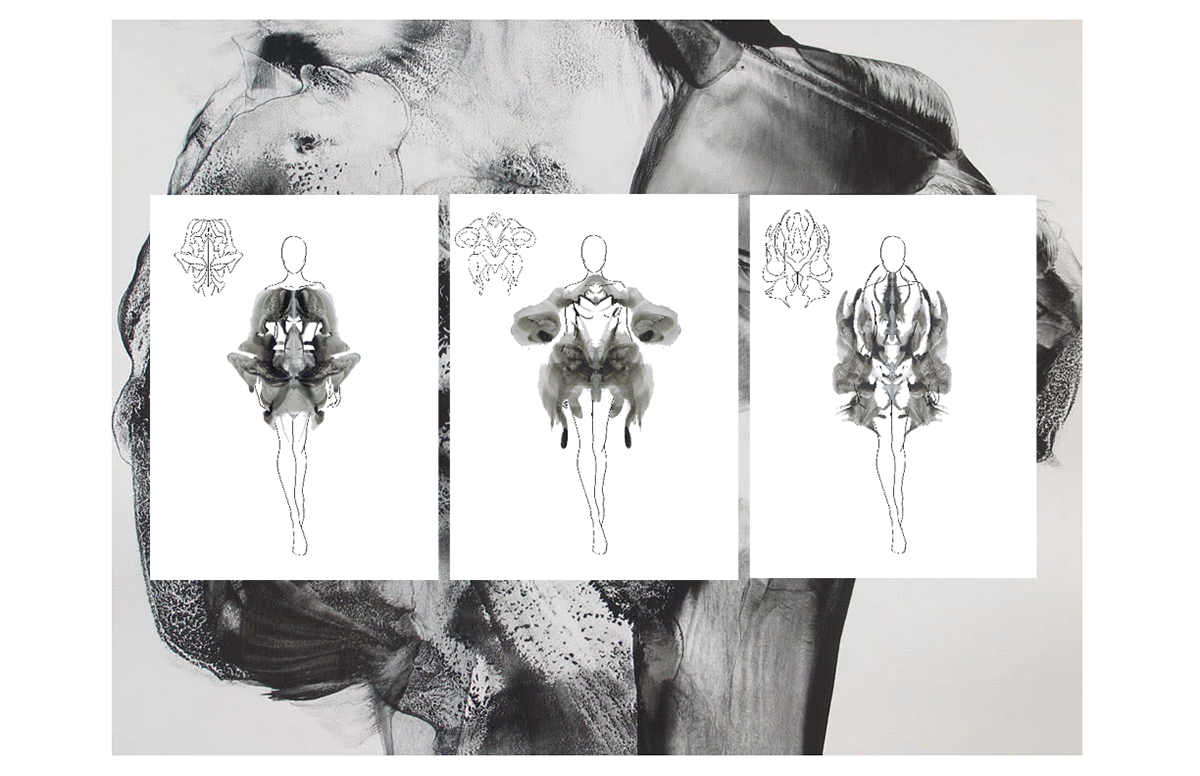
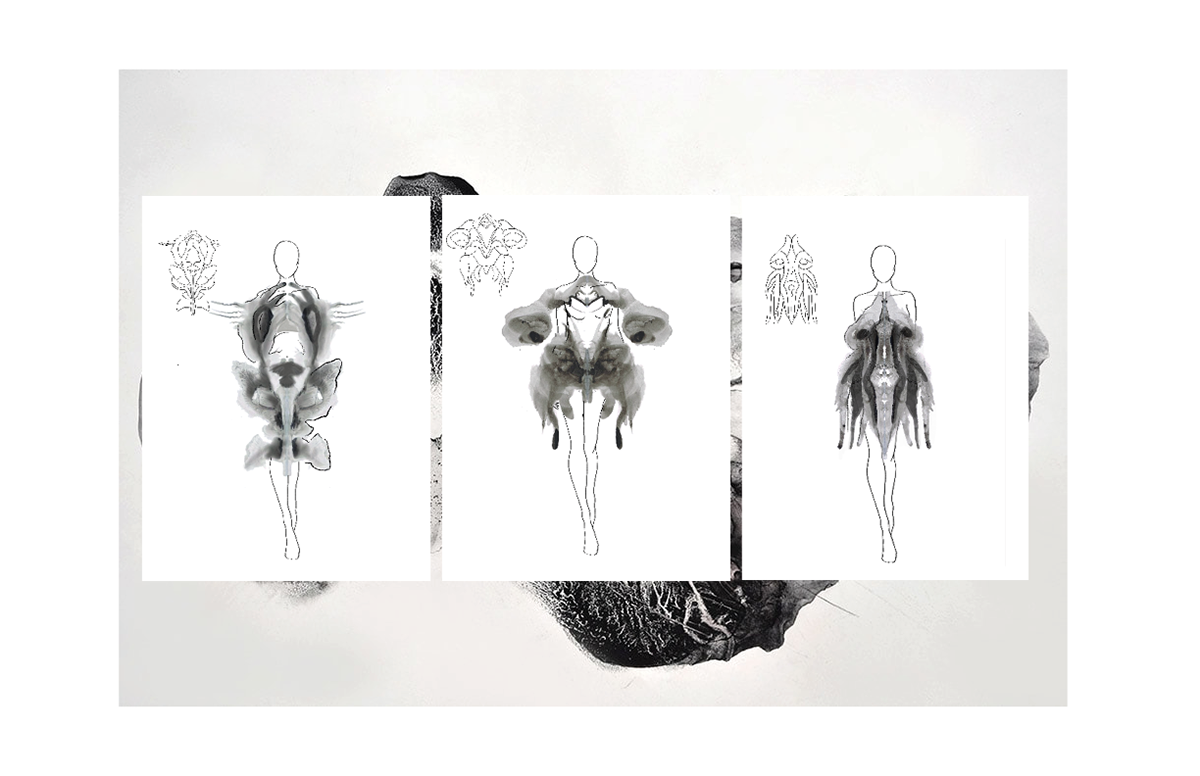
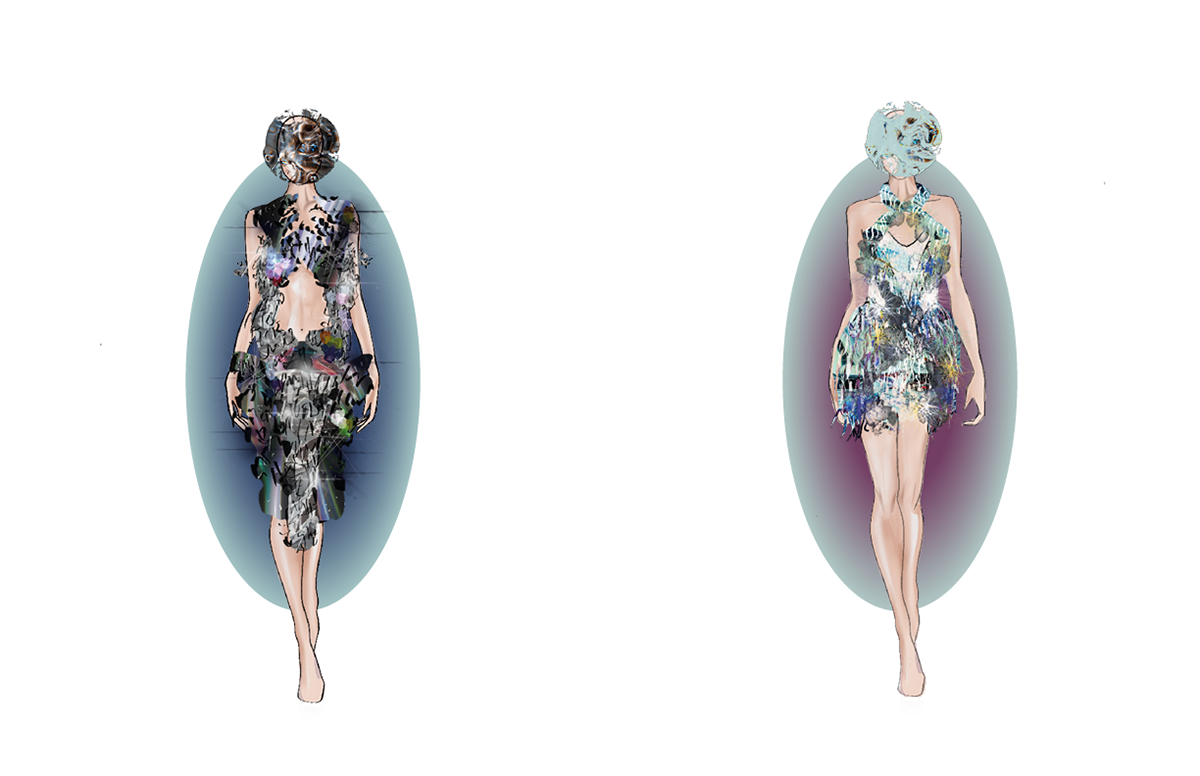
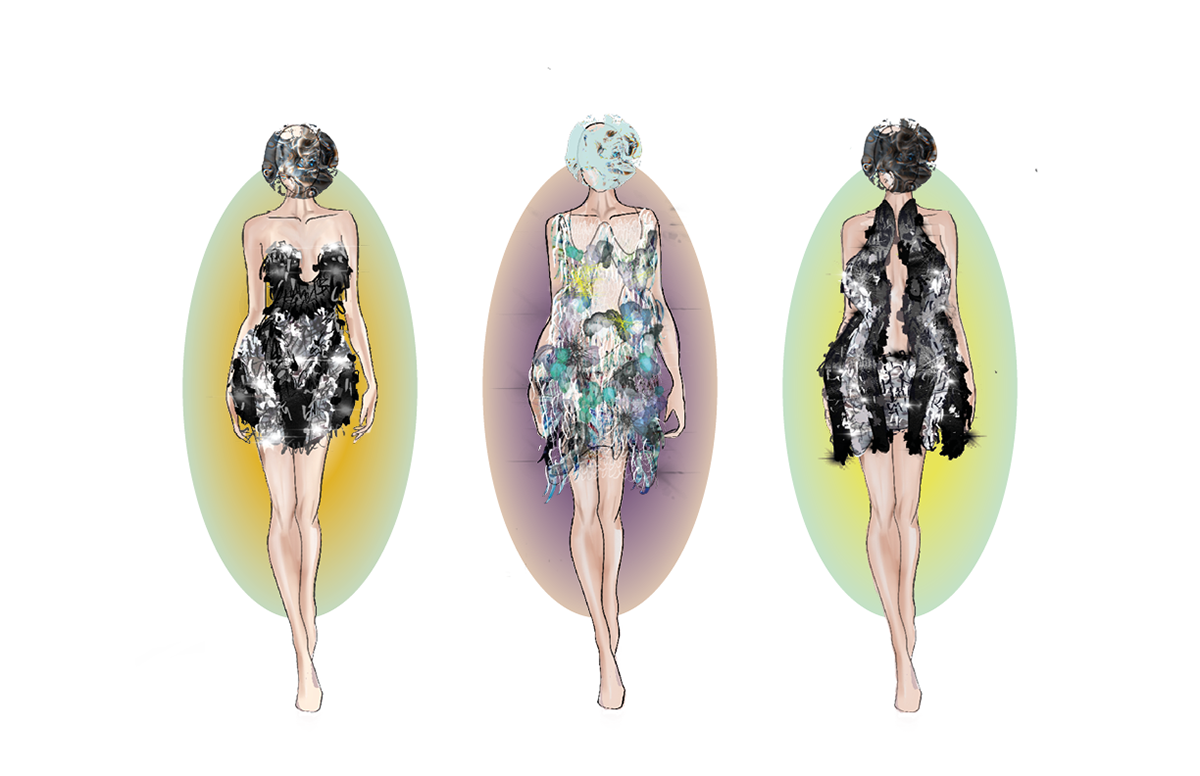
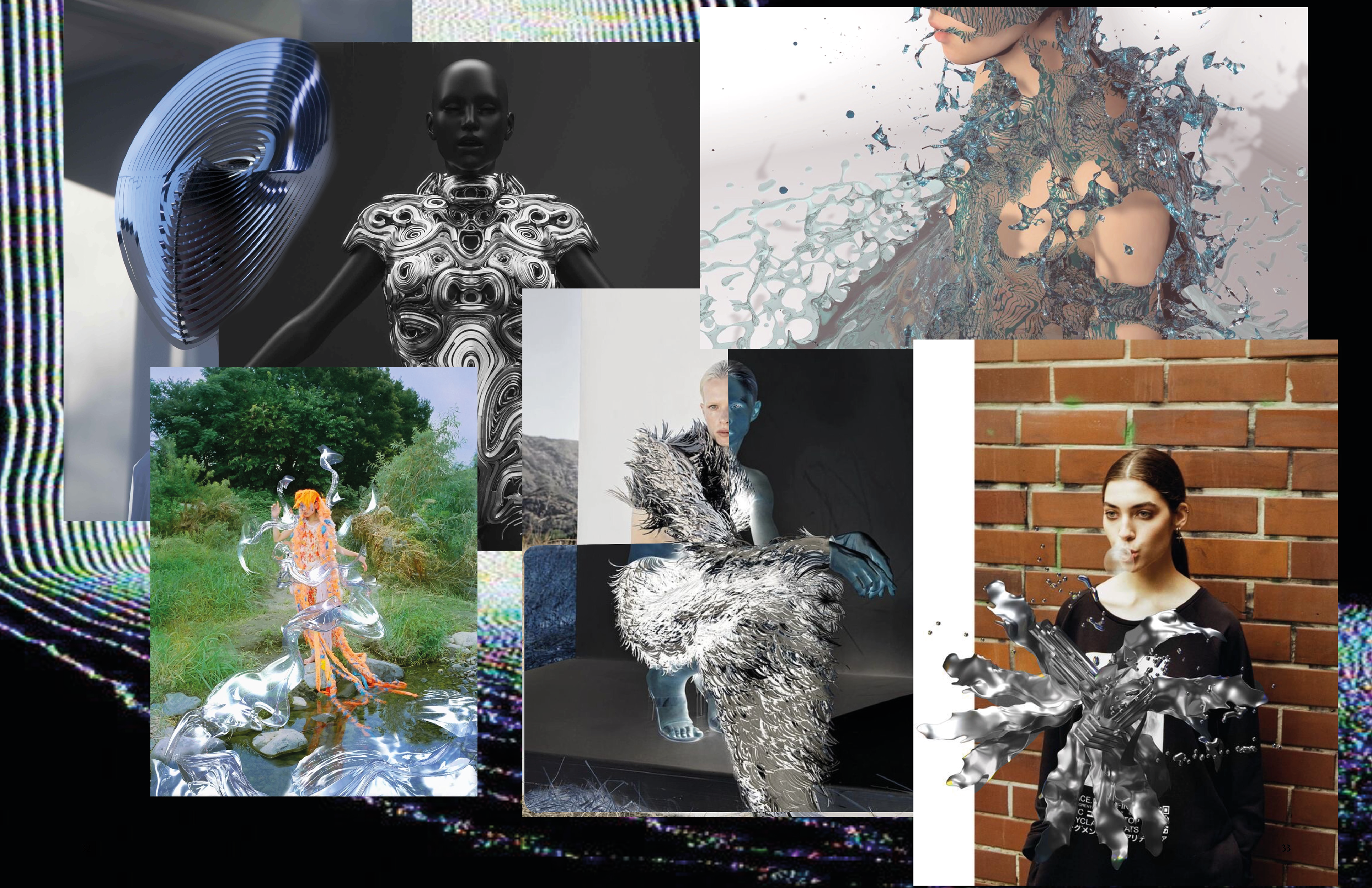
Image credits: Scarlett Yang
Form, Materiality, & Wearability
This concept of territories of the self acknowledges that bodies and selves are not contained to the fleshly envelope of the individual body, but extend beyond this into space and connect and interconnect with other bodies and objects. These processes are inevitably relational because they involve embodied interactions and affective responses. Embodiment, then, is primarily a relational assemblage. The concept of ‘the person’ (including the person’s body) becomes distributed between the interactions of heterogeneous elements. In the digital age, practices of embodiment are increasingly becoming enacted via digital technologies.
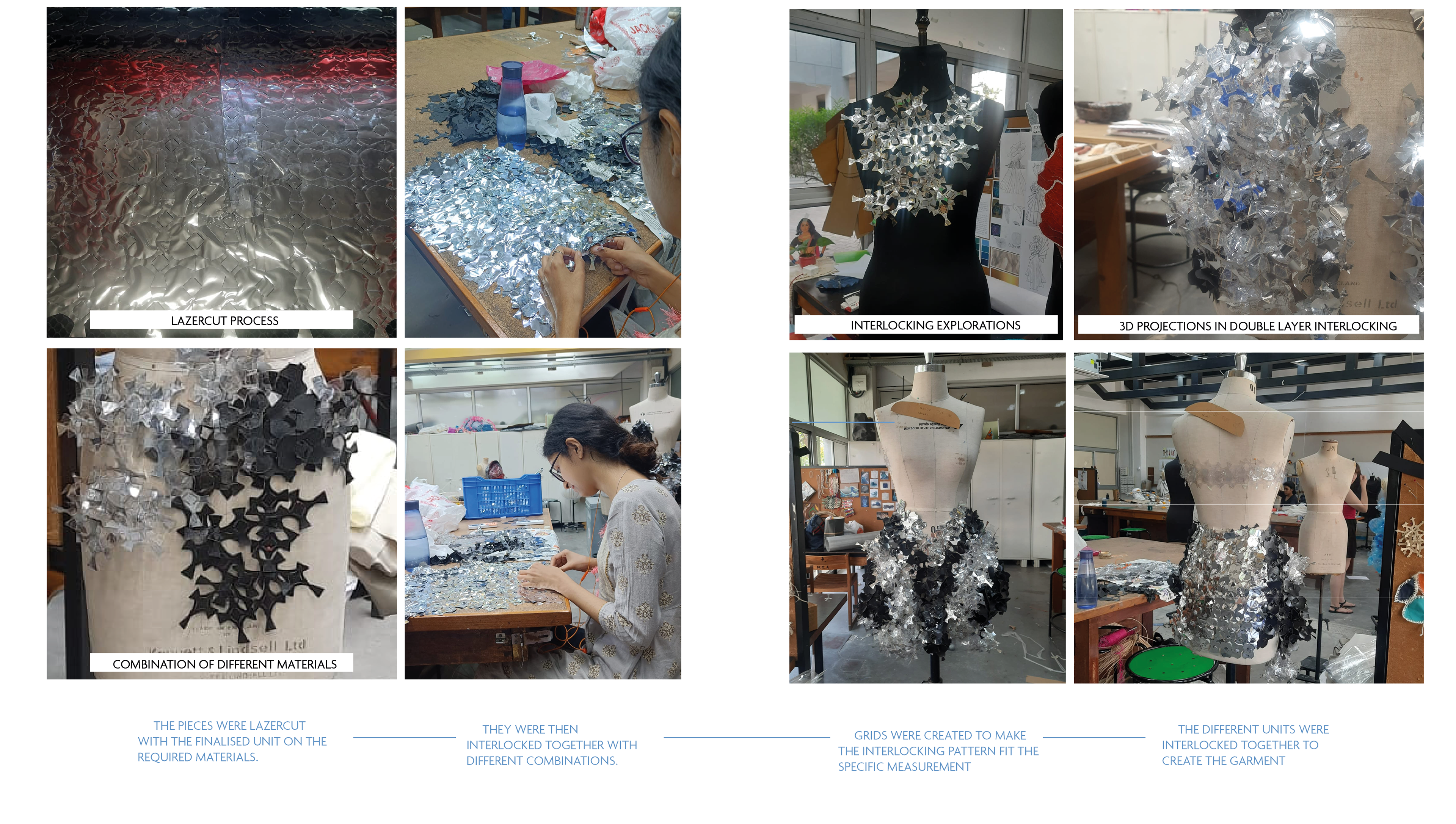
Assembly and Assemblage
It is now frequently argued that online and offline selves cannot be distinguished from each other any longer, given the pervasiveness and ubiquity of online participation. Instead, categories of flesh, identity, and technology are porous and intermeshed (Elwell 2014, Hayles 2012). Our bodies are digital data assemblages.
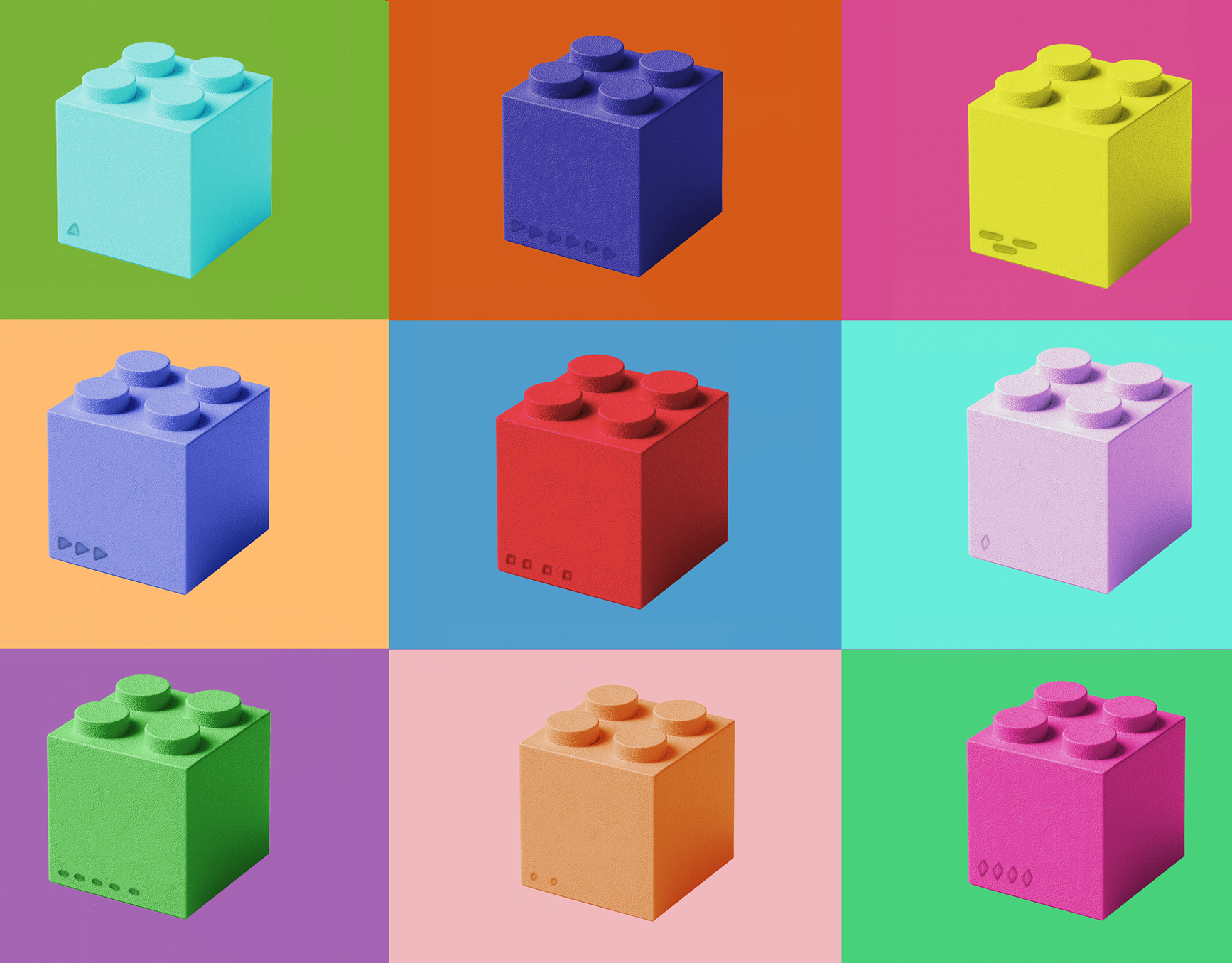
In techno-craft the assemblages are embodied using modularity, with zero-waste-repeat modules used interchangeably creating a dynamic structure with 3d cubicle units.