LANDSCAPE OF MEMORY
(2022)
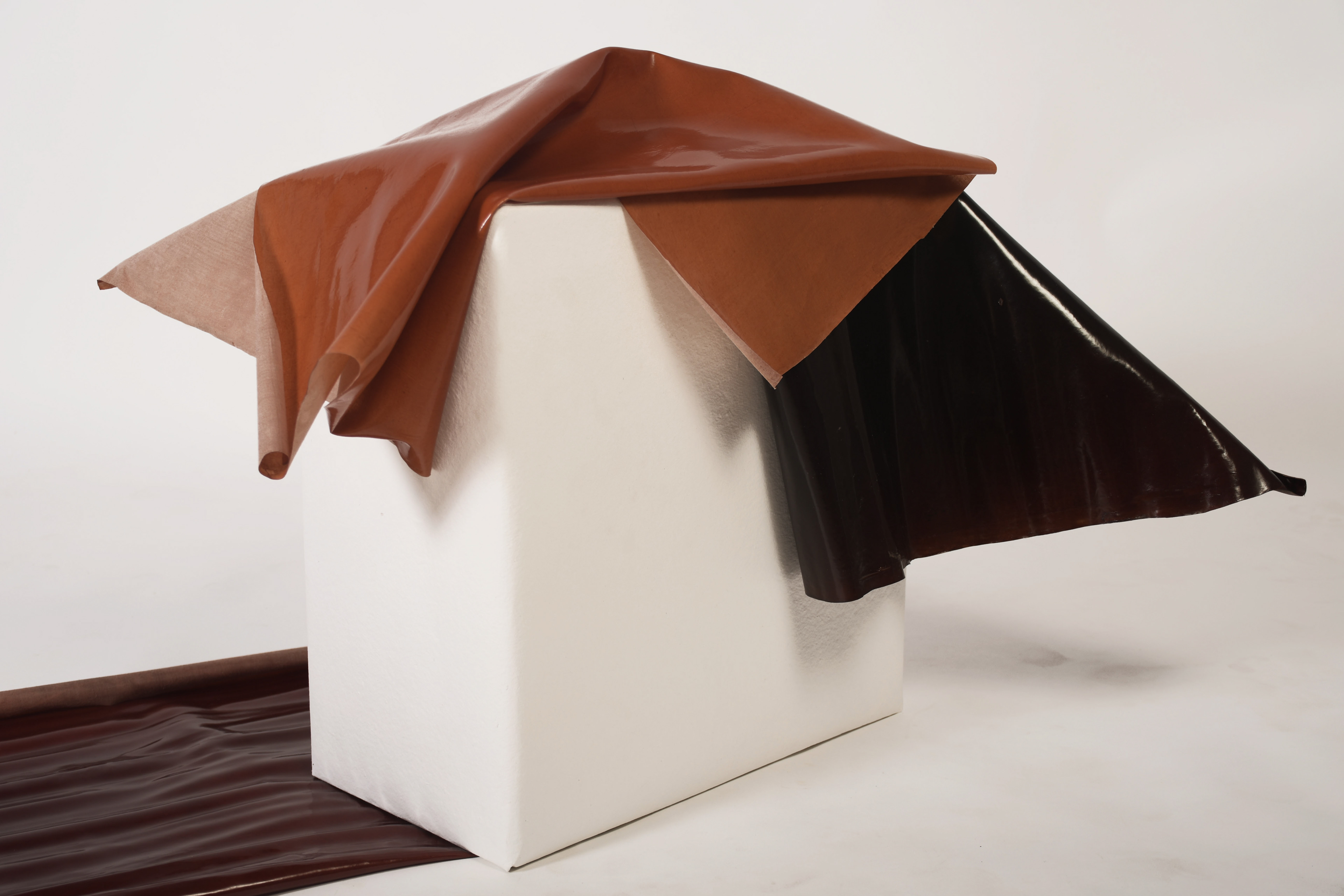
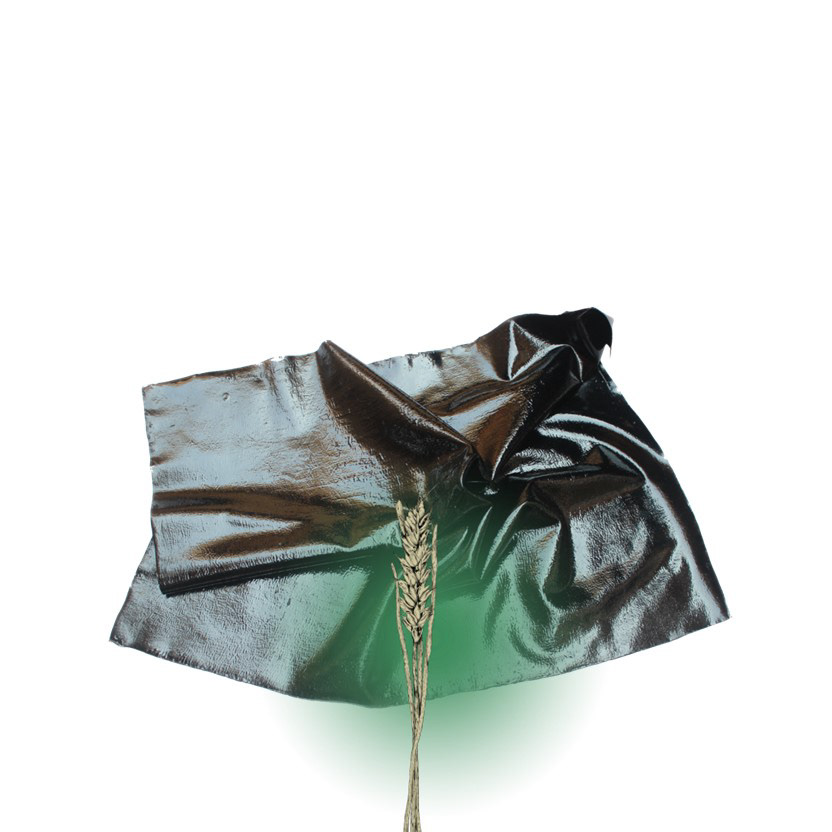
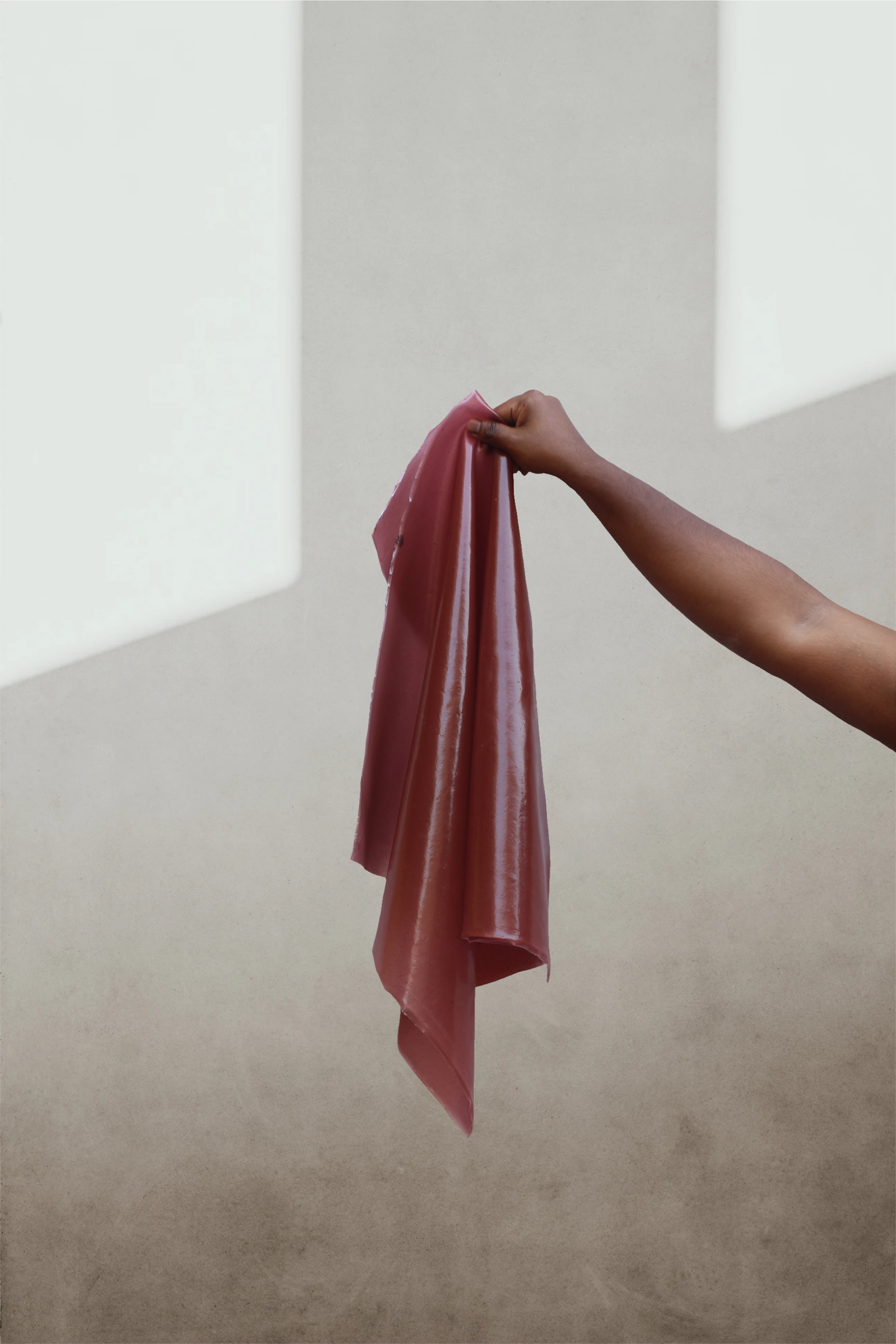
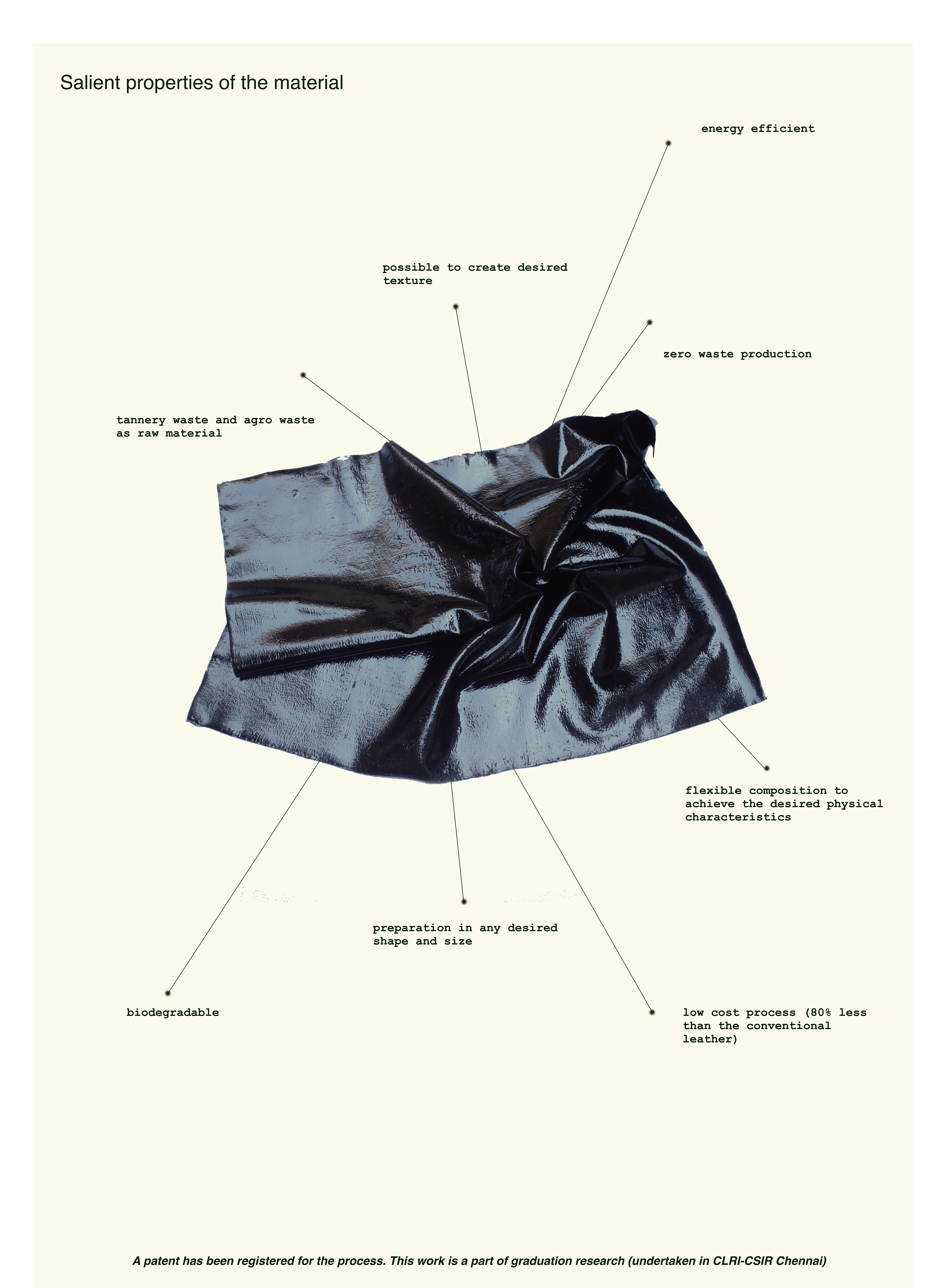
"Pseudocorium," a sustainable biomaterial crafted from agricultural and tannery waste, offers a cost-effective and environmentally friendly solution.
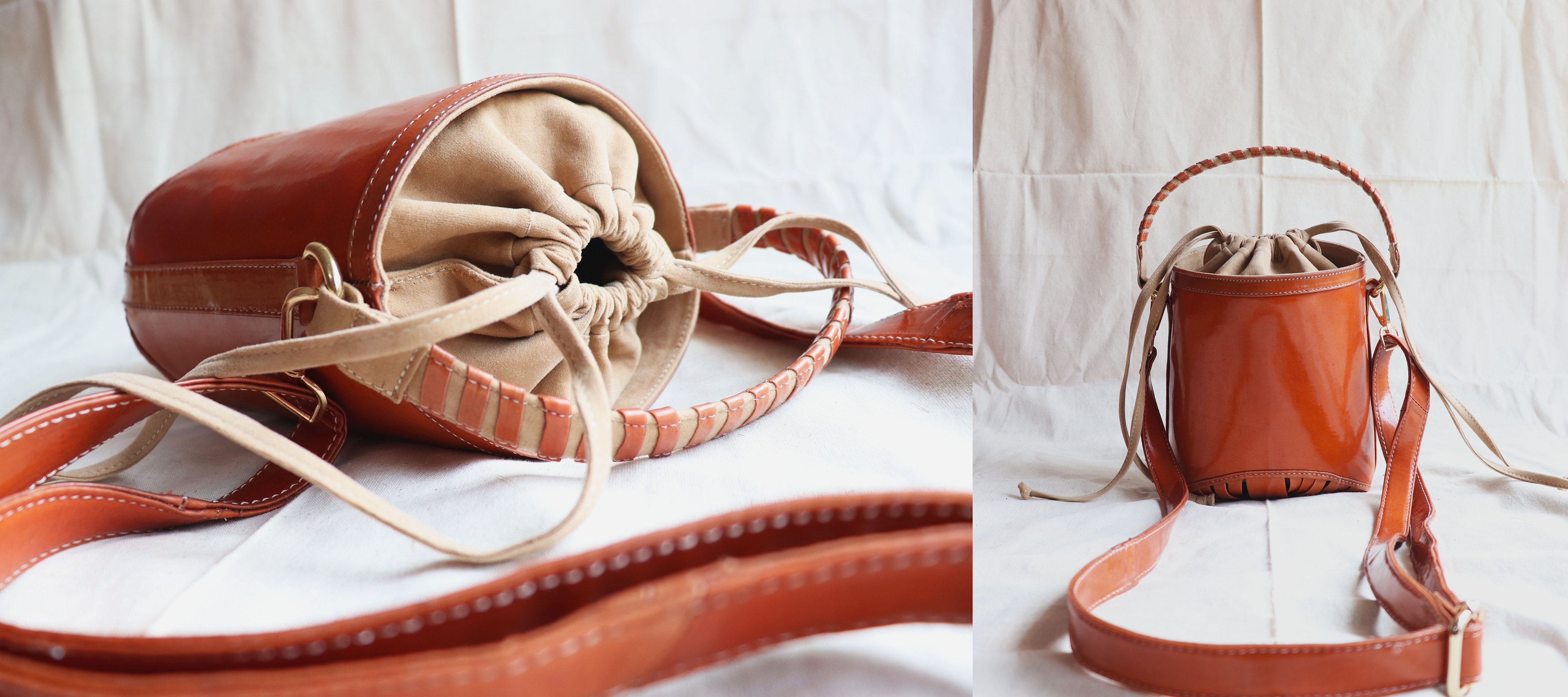
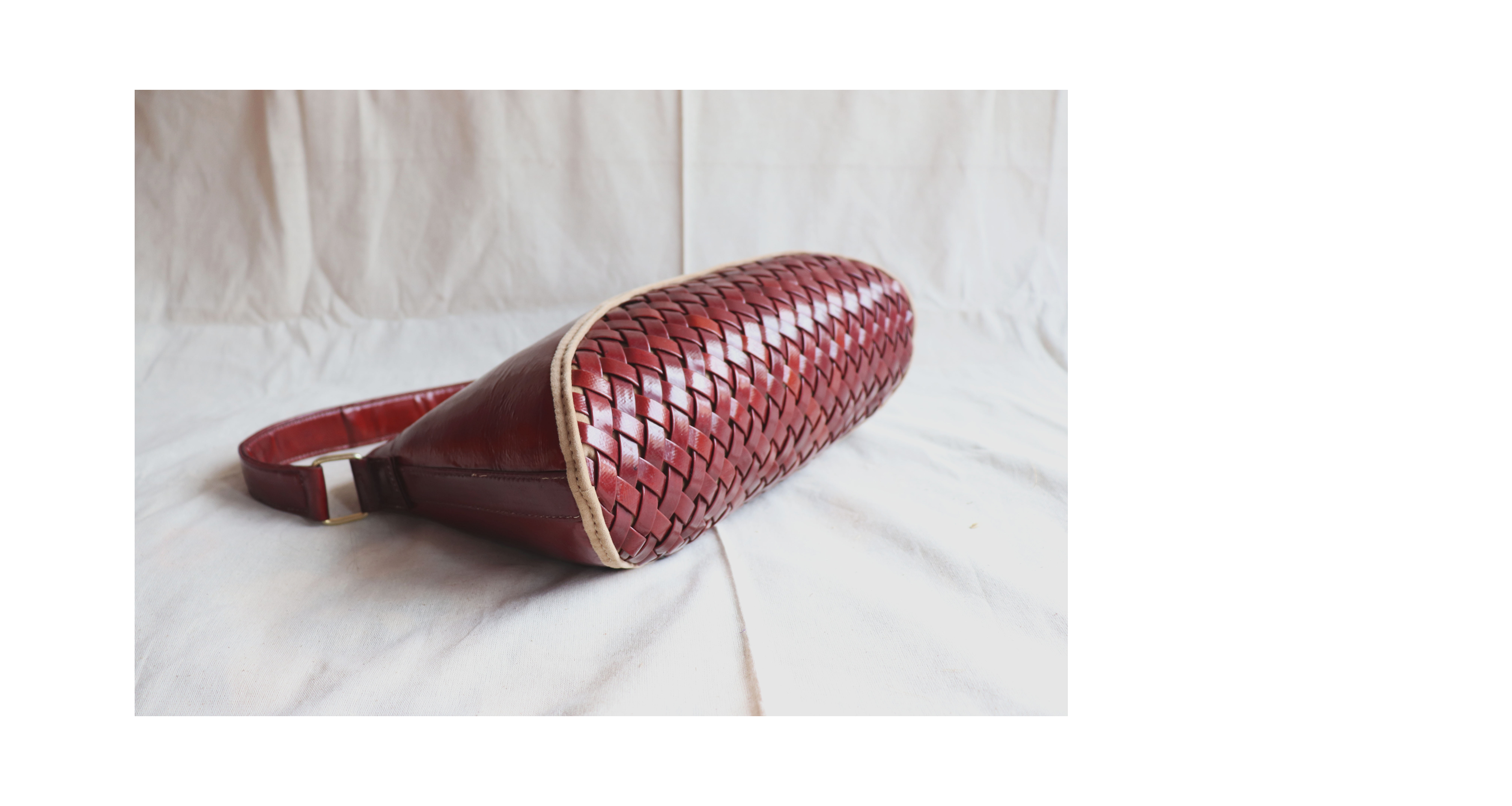
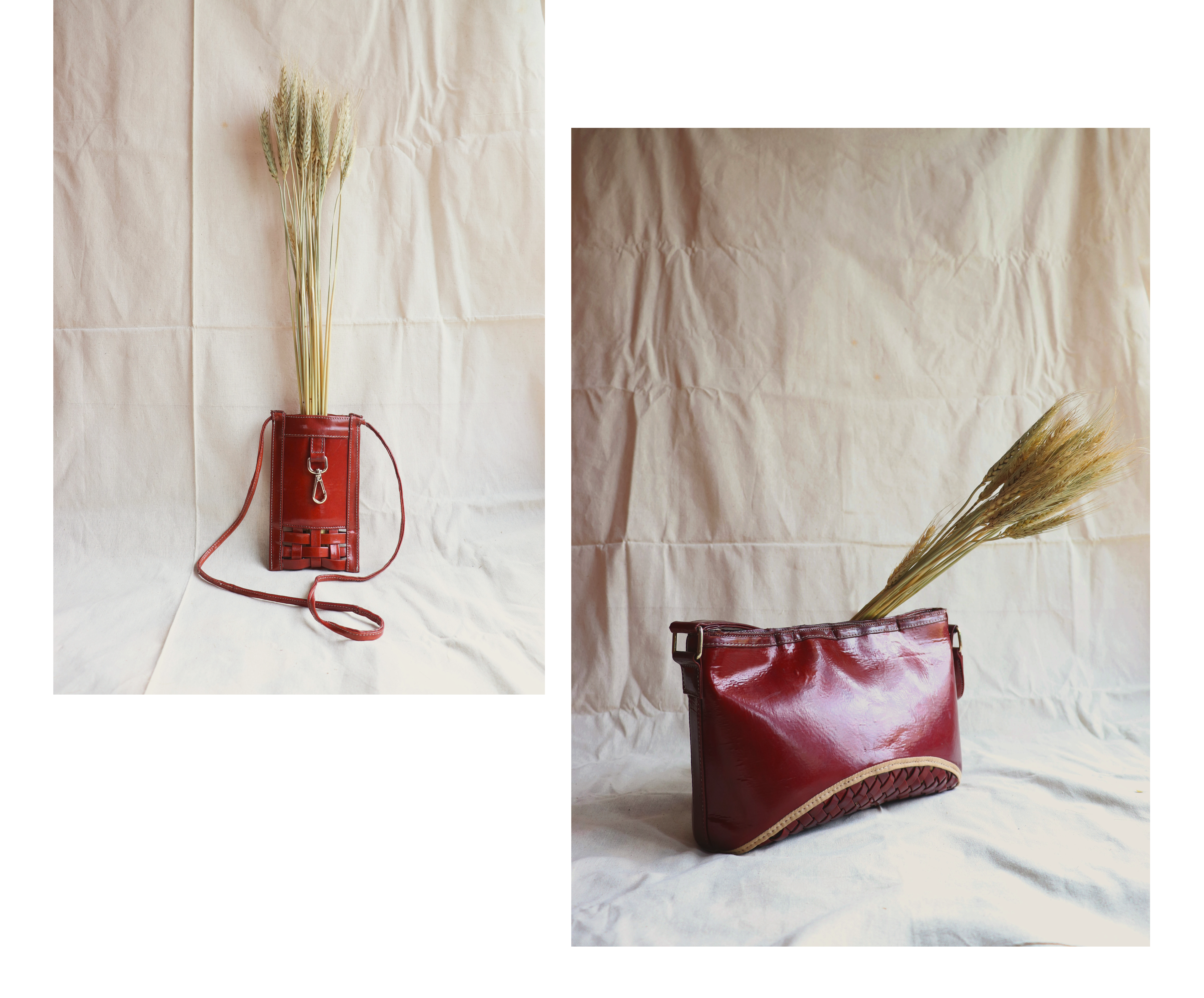
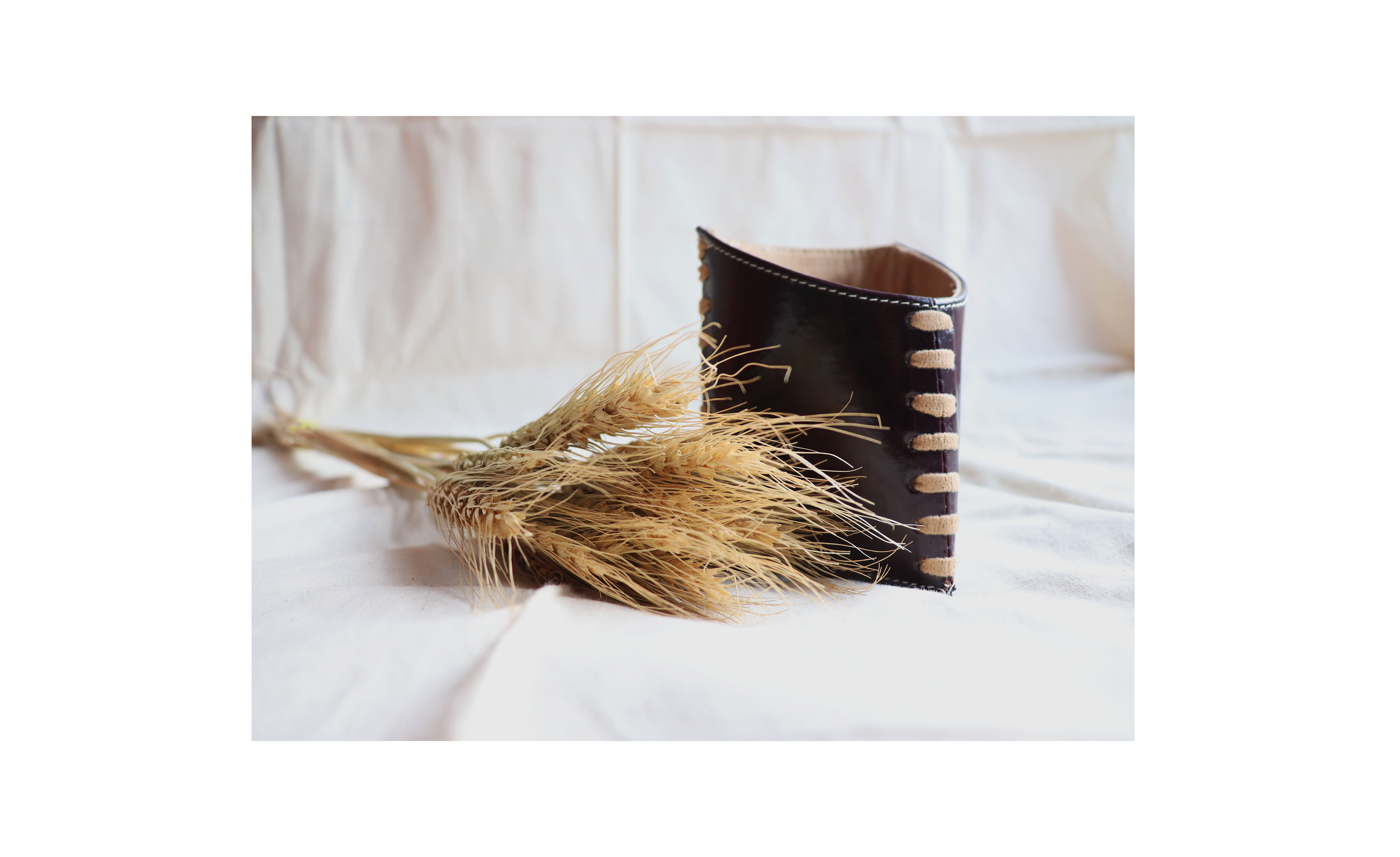
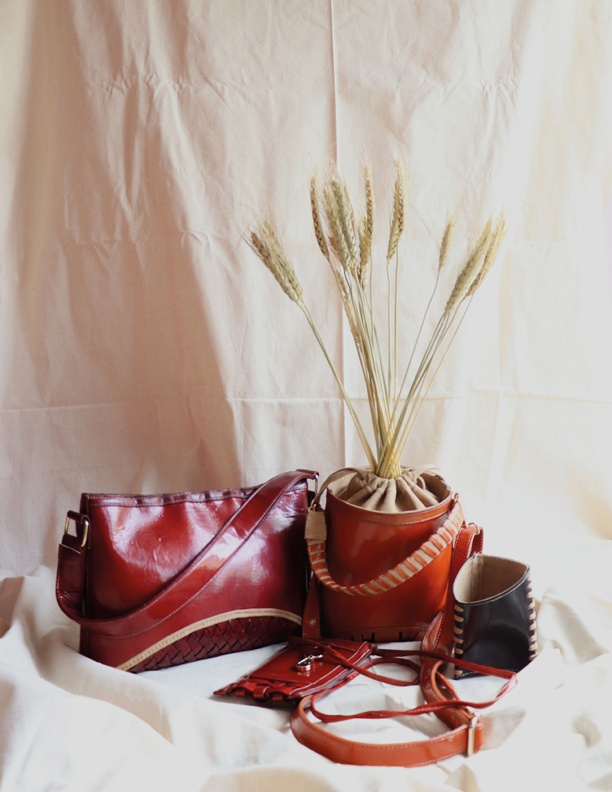
"Landscape of Memory" is a poetic project comprised of products that seek to forge the diminishing connection of the traditional and the novelty, whilst creating a transformative narrative through waste. The project intends to relook at the curious nature of our relationships with daily objects and nature.
____________________
Field: Material Innovation + Product Design
_____________________
Client: The project was undertaken in CSIR-CLRI as a part of Bachelor's thesis
_____________________
How can we reinvent our material choices
for the leather
industry?
Contemporary fashion is a field of action in which endless exchanges of codes and interpretations, fleeting styles are brokered and formed, with fashion often being perceived as the forebearer of exploitative industry practices.
Manufacturing of leather is associated with use of huge volume of water and many significant environmental impacts. The efforts to achieve sustainability and minimize cost impelled the quest for novel materials of renewable sources. The future of fashion could possibly spin around materials that are largely regenerative and sustainable, with the plausible scope for exploitation after life.
Need gaps
The biomaterial explorations carried out globally can be categorized based on their processing. The material is:
- Crafted using plant-based or waste composites, with many innovations encompassing waste sources combined with synthetic polymers to achieve the results.
- Made from mycelium or microbial cellulose, grown from fungi and bacterial strains respectively.
- Engineered in a lab with protein strains blended with bio-based proteins.
- Made from mycelium or microbial cellulose, grown from fungi and bacterial strains respectively.
- Engineered in a lab with protein strains blended with bio-based proteins.
These biomaterials, either do not utilize renewable waste resources or the resultant material is not fully biodegradable. The lab-grown material innovations cannot be upscaled for mass production and are cost intensive. The biomaterial made from microbes and mycelium requires extreme sterile conditions, unfit for mass manufacture. Thereby, the practical application of the available models is limited and unsustainable.
Choice of the waste-stream
India is an agrarian country, with the largest area in wheat, rice, and cotton. With extensive cultivation of wheat encompassing large parts of the northern area, wheat stubble burning has long been a major cause of air pollution. Wheat straw encompasses significant amounts of cellulose, offering a pandora of opportunities.
Conventional leather manufacturing process results in the generation of substantial amounts of solid waste, many of which are gold-mines of collagen. A great deal of work has been done on biomaterials. However, preparation of biomaterial being environmentally friendly at a lower cost is a challenge. In the following project, a biomaterial utilising the agro waste and tannery waste streams is prepared, that is economically viable and environment friendly.
Process and material development
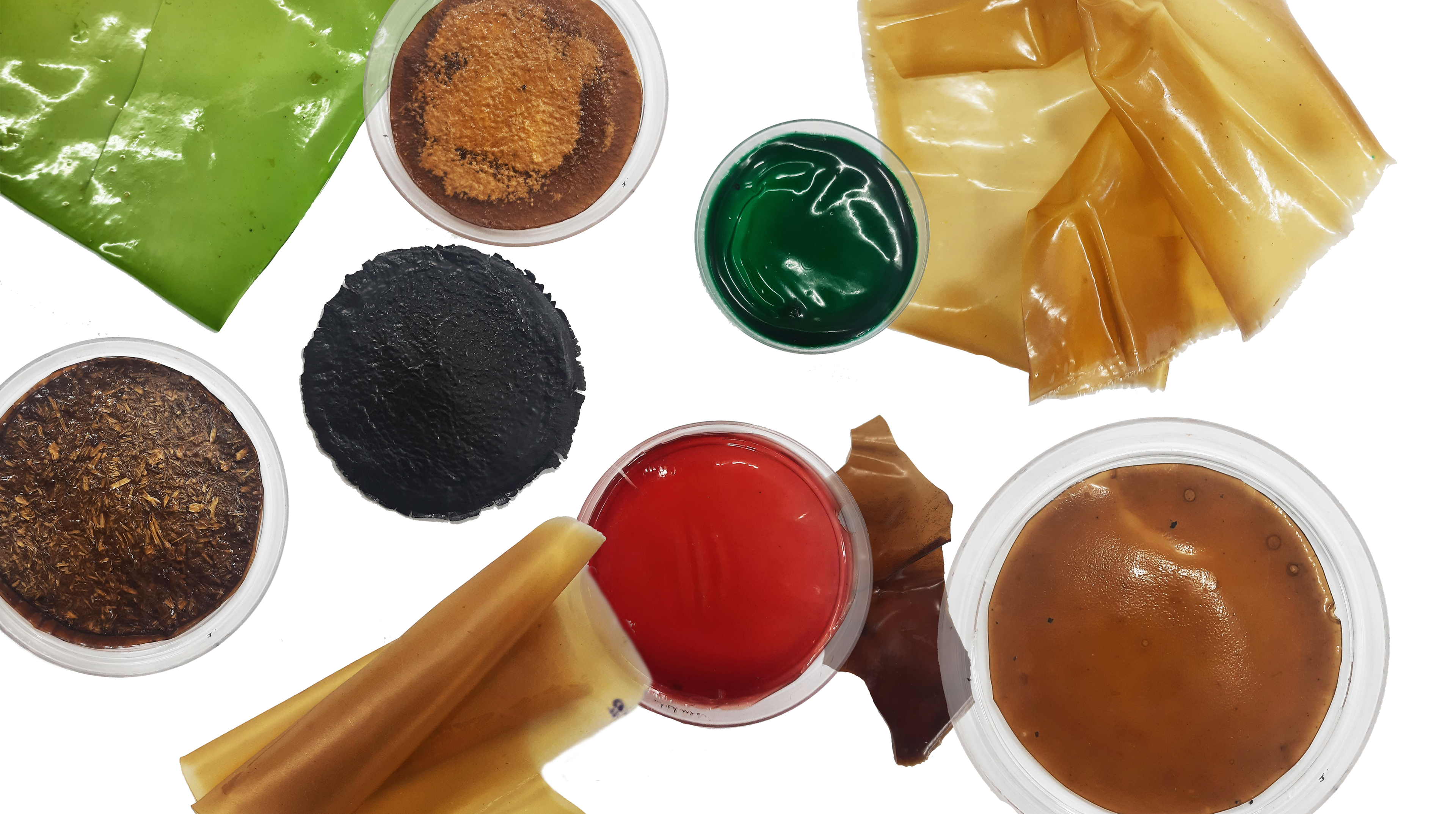
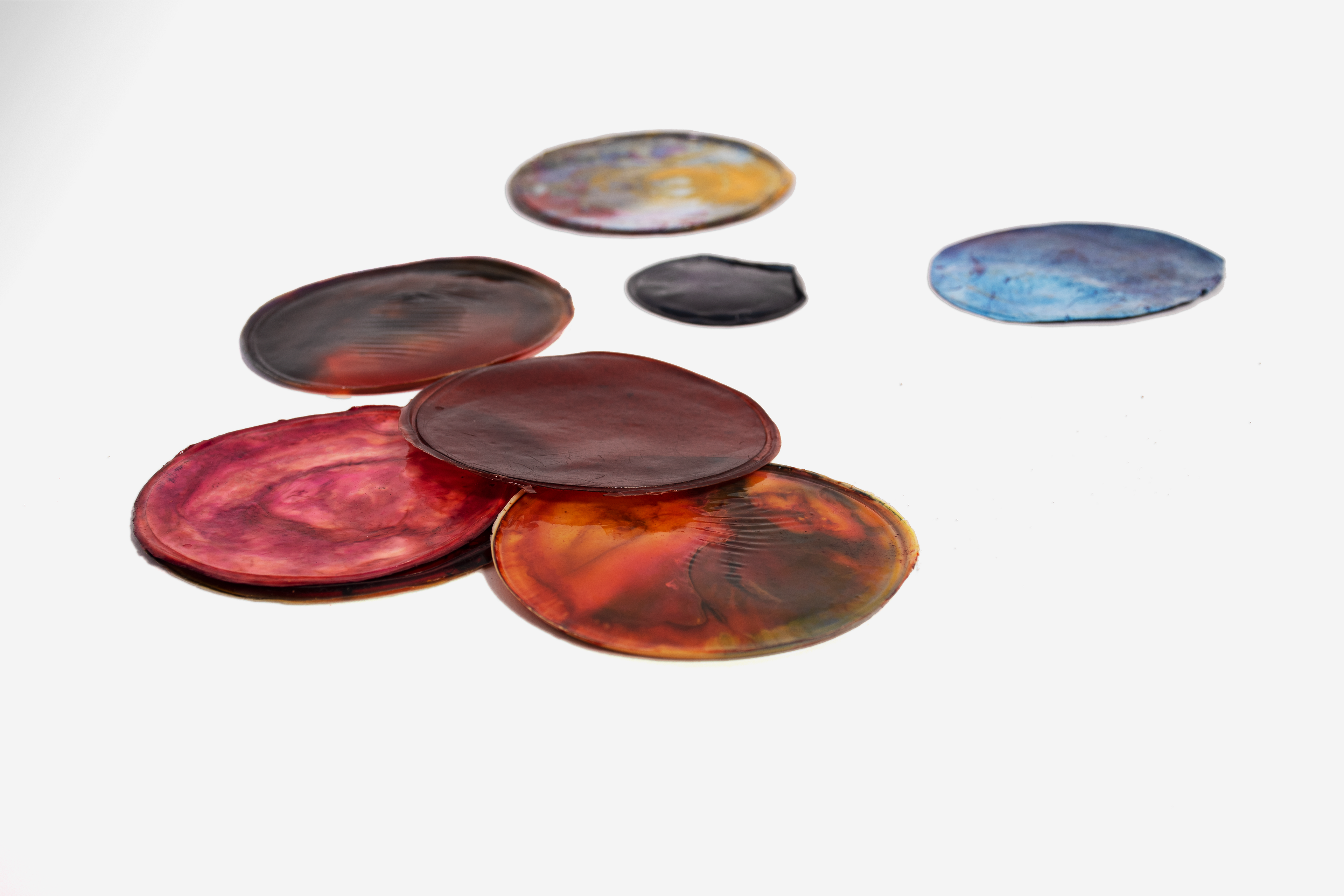
A comprehensive experimental procedure is undertaken to explore different materials utilizing the addition of different plasticizers and crosslinkers
Product collection utilising the biomaterial
A collection of lifestyle products titled, " Landscape of Memory" was crafted.
Inspired by the craft of basketry, contemporary products have been designed utilizing natural dyed biomaterial with weaving techniques and exploration enveloped in a modern silhouette.